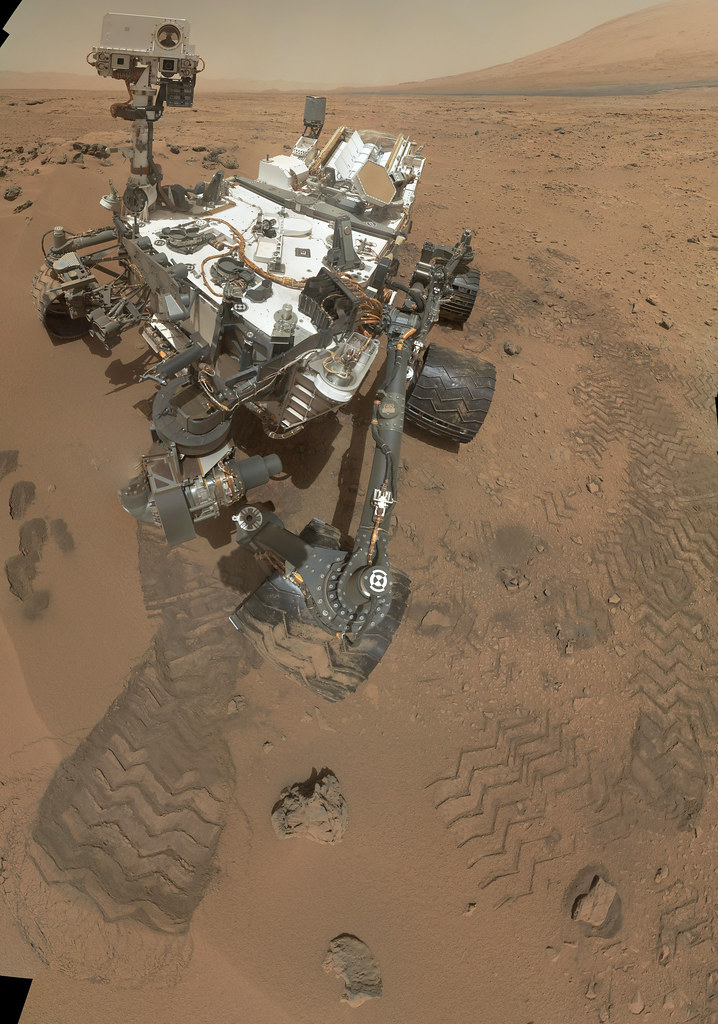
Mars rover desert exploration has unveiled fascinating insights about the Martian landscape. This encounter brings scientists closer to understanding the planet’s history and geology.
Introduction to Mars Rover Missions
The exploration of Mars has captivated scientists and enthusiasts alike, with missions designed to uncover the mysteries of the Red Planet. The recent encounter of a Mars rover in a desert-like environment has provided a remarkable opportunity for researchers to draw parallels between Martian terrain and Earth’s deserts.
These missions aim to enhance our understanding of Mars’ geology, climate, and potential for past life. The rover’s journey through the arid landscape allows scientists to analyze soil samples and study surface features that resemble those found in Earth’s deserts.
Key objectives of these missions include:
- Investigating geological formations that may indicate historical water presence.
- Searching for signs of ancient microbial life by examining rock layers.
- Collecting data on atmospheric conditions to better understand climate changes.
As we continue to gather data from the Mars rover’s desert encounters, the findings will undoubtedly contribute to our understanding of both planets and the broader implications for future exploration.
Significance of Desert Environments
The significance of desert environments extends beyond Earth, providing vital insights into the Mars rover desert encounters. These arid landscapes serve as analogs for Martian conditions, allowing scientists to study how life might exist on the Red Planet.
Deserts on Earth, characterized by their extreme temperatures and limited water supply, mirror the harsh conditions found on Mars. This similarity enables researchers to develop strategies for future exploration and potential colonization.
- Research Opportunities: Desert environments offer unique ecosystems that can be examined for microbial life, which can inform scientists about potential life on Mars.
- Technological Advancements: The challenges posed by deserts help engineers create more resilient rovers, capable of withstanding Martian weather.
- Habitat Simulation: Studying desert terrains helps in developing habitats for astronauts by understanding resource management in similar climates.
Ultimately, these desert encounters are pivotal for enhancing our understanding of Mars and preparing for future missions.
Mars Rover Desert Exploration
The latest findings from the Mars rover have brought to light fascinating parallels between the Martian landscape and Earth’s desert environments. As the rover traverses the rocky terrain, scientists have observed several characteristics that resemble desert conditions.
Key observations from the Mars rover desert exploration include:
- Soil Composition: The analysis shows that Martian soil has similar mineral content to that found in arid regions on Earth, hinting at past water activity.
- Wind Erosion: The rover’s cameras captured images of wind-sculpted rocks, showcasing how erosion shapes both Martian and desert landscapes.
- Temperature Variations: Data indicates extreme temperature fluctuations, akin to those experienced in desert climates.
These discoveries not only enhance our understanding of Mars but also provide an invaluable opportunity to study how life might adapt to harsh environments. The Mars rover’s desert encounter highlights the interconnectedness of planetary processes and the potential for future exploration.
Key Findings from the Encounter
The recent encounter of the Mars rover in a desert-like environment has led to several key findings that enhance our understanding of both Mars and its geological history. The rover’s ability to traverse this rugged terrain has provided scientists with invaluable data.
- Soil Composition: Analysis of the soil revealed similarities to terrestrial desert landscapes, suggesting past water activity that could have supported microbial life.
- Rock Formations: Unique rock textures and formations observed during the mission indicate a history of erosion and sediment deposition, typical of desert environments.
- Atmospheric Conditions: The rover’s instruments detected fluctuations in atmospheric pressure and temperature, reminiscent of Earth’s deserts, which could impact future exploration missions.
- Potential for Life: The findings indicate that if the Mars rover desert was once wet, it may have had the conditions necessary for life to thrive.
These discoveries not only enhance our knowledge of Mars but also provide a framework for future missions aimed at uncovering the planet’s mysteries.
Future of Mars Research
The future of Mars research is poised for exciting advancements, particularly in understanding the dynamics of the Martian landscape through desert environments. As scientists analyze data from the recent Mars rover desert encounter, they anticipate a new era of exploration that could reshape our comprehension of planetary geology.
Researchers are focusing on several key areas:
- In-situ Analysis: The ability of rovers to conduct experiments directly on Mars will provide unprecedented insights into soil composition and atmospheric conditions.
- Collaboration with Earth-based Studies: Lessons learned from desert environments on Earth will inform strategies for future Mars missions.
- Technological Innovations: Continued improvements in rover technology will enhance mobility and data collection capabilities in challenging terrains.
- Life Detection: Future missions aim to identify potential biosignatures, expanding the search for life beyond Earth.
The Mars rover desert exploration not only highlights the potential for groundbreaking discoveries but also reinforces the importance of our ongoing commitment to planetary science.
The Mars rover desert environment has provided scientists with unprecedented insights into the planet’s geological history. As the Mars rover desert exploration continues, researchers are eager to analyze the data collected from its recent encounters.
By NASA Goddard Photo and Video via Openverse
Sources
Iraq U17 women’s team: What Went Wrong in Loss to India? · Spanish Prime Minister election: Sánchez calls for early vote · Hydrogen Storage Technology: The Best Proven Methods Explained
One thought on “Mars Rover Desert Encounter: A Clear Insight into Discovery”