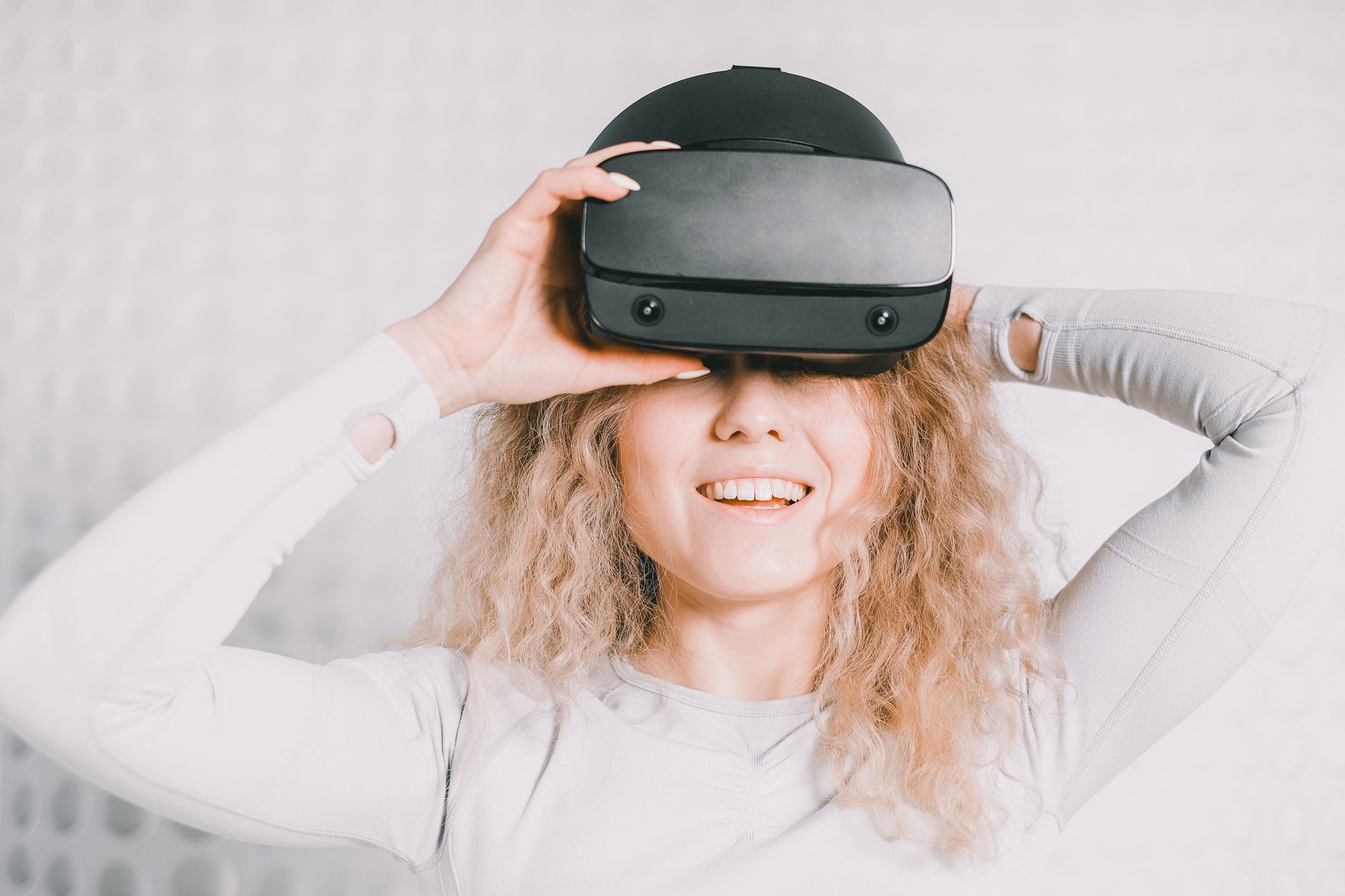
DIY VR headset projects can be enticing for tech enthusiasts. However, this article explores the challenges and drawbacks of building your own virtual reality headset.
What is DIY VR?
DIY VR refers to the process of creating your own virtual reality headset using readily available materials and components. While the concept is intriguing for tech enthusiasts and hobbyists, the reality often falls short of expectations.
Building a DIY VR headset can involve a variety of components, including:
- Smartphones or compatible displays
- Optics for enhancing the viewing experience
- Cardboard or plastic for the headset structure
- Tracking devices for motion sensing
Many believe that constructing a DIY VR headset can be a rewarding project, yet the challenges often outweigh the benefits. The resulting product may lack the quality and features of commercially available headsets. Users might encounter:
- Poor image resolution
- Uncomfortable fit
- Limited compatibility with VR software
In the end, while DIY VR can be an engaging endeavor, it’s essential to weigh the pros and cons before diving into a project that may not deliver the desired results.
The benefits of commercial headsets
While the idea of creating a DIY VR headset can be enticing for tech enthusiasts, there are significant benefits to opting for commercial headsets that should not be overlooked.
One of the primary advantages of commercial VR headsets is superior performance. These devices are designed by experts, ensuring optimal visuals, sound quality, and tracking capabilities. This level of polish is often unattainable with a DIY approach, where inconsistencies in components can lead to a subpar experience.
Moreover, commercial headsets offer comprehensive support. With warranties and customer service, users can troubleshoot and resolve issues more easily than with a homemade device. Additionally, regular software updates enhance performance and introduce new features, something a DIY VR headset typically lacks.
Another benefit is user experience. Commercial headsets come equipped with features like adjustable straps, better ergonomics, and pre-configured settings, providing a more comfortable and immersive experience right out of the box. In contrast, a DIY headset often requires extensive tweaking to achieve similar comfort and functionality.
Challenges of building your own VR headset
Building your own DIY VR headset can seem like an exciting project, but several challenges can turn this endeavor into a frustrating task. One major obstacle is the complexity of the technology involved. Understanding the intricacies of optics, sensors, and displays requires a level of technical knowledge that many enthusiasts may not possess.
Another significant challenge is sourcing quality materials. While some components may be readily available, others can be difficult to find or expensive, leading to an overall increase in project costs. Additionally, compatibility issues may arise between different parts, complicating the assembly process.
Moreover, achieving a comfortable and immersive experience is not as straightforward as it sounds. The ergonomics and fit of a DIY VR headset can easily fall short of commercial options, which have been designed with user comfort in mind. Finally, software setup and calibration can be time-consuming and often requires additional technical skills.
All these factors can make the dream of a DIY VR headset less appealing than anticipated.
Cost comparison: DIY vs. store-bought
When considering a DIY VR headset, one of the most significant factors to weigh is the cost. While it may seem appealing to save money by building your own, a detailed cost comparison reveals a different story.
Here are some key points to consider:
- Initial Investment: A DIY headset typically requires several components, including lenses, sensors, and displays, which can add up quickly.
- Quality Components: To achieve a satisfactory VR experience, you may need to invest in high-quality materials, pushing your costs closer to that of a store-bought option.
- Time and Effort: The time spent researching, assembling, and troubleshooting a DIY headset can be substantial, which may not justify the potential savings.
- Long-Term Value: Commercial headsets often come with warranties and software support, factors that are absent in a DIY solution.
In the end, the financial and time investment often makes store-bought headsets a more viable choice for most users.
Final thoughts on DIY VR headsets
In conclusion, while the idea of a DIY VR headset may seem appealing, the reality often falls short of expectations. Many enthusiasts are drawn to the prospect of building their own headset, believing it to be a cost-effective and rewarding project. However, the challenges encountered during the process can quickly overshadow the initial excitement.
Some key considerations include:
- Technical Expertise: Constructing a working VR headset requires a level of technical skill that many users may not possess.
- Compatibility Issues: Ensuring that all components work seamlessly together can be a daunting challenge.
- Performance Limitations: DIY solutions often lack the polish and performance of commercial options, leading to a subpar experience.
Ultimately, the DIY VR headset may not be the best route for most consumers. Investing in a commercial headset not only guarantees better performance but also provides access to a wider range of content and support. For those serious about virtual reality, the benefits of going with a proven product far outweigh the drawbacks of building from scratch.
Photo by SHVETS production on Pexels
Where this came from
Related stories
Victoria’s Secret Runway: The Best Fashion Show Photos of 2026 · Indian Stock Market: What Makes Today’s Rally Worth Watching? · Massachusetts lieutenant governor candidate faces tough setback

One thought on “DIY VR headset: The Worst Way to Build Your Own”