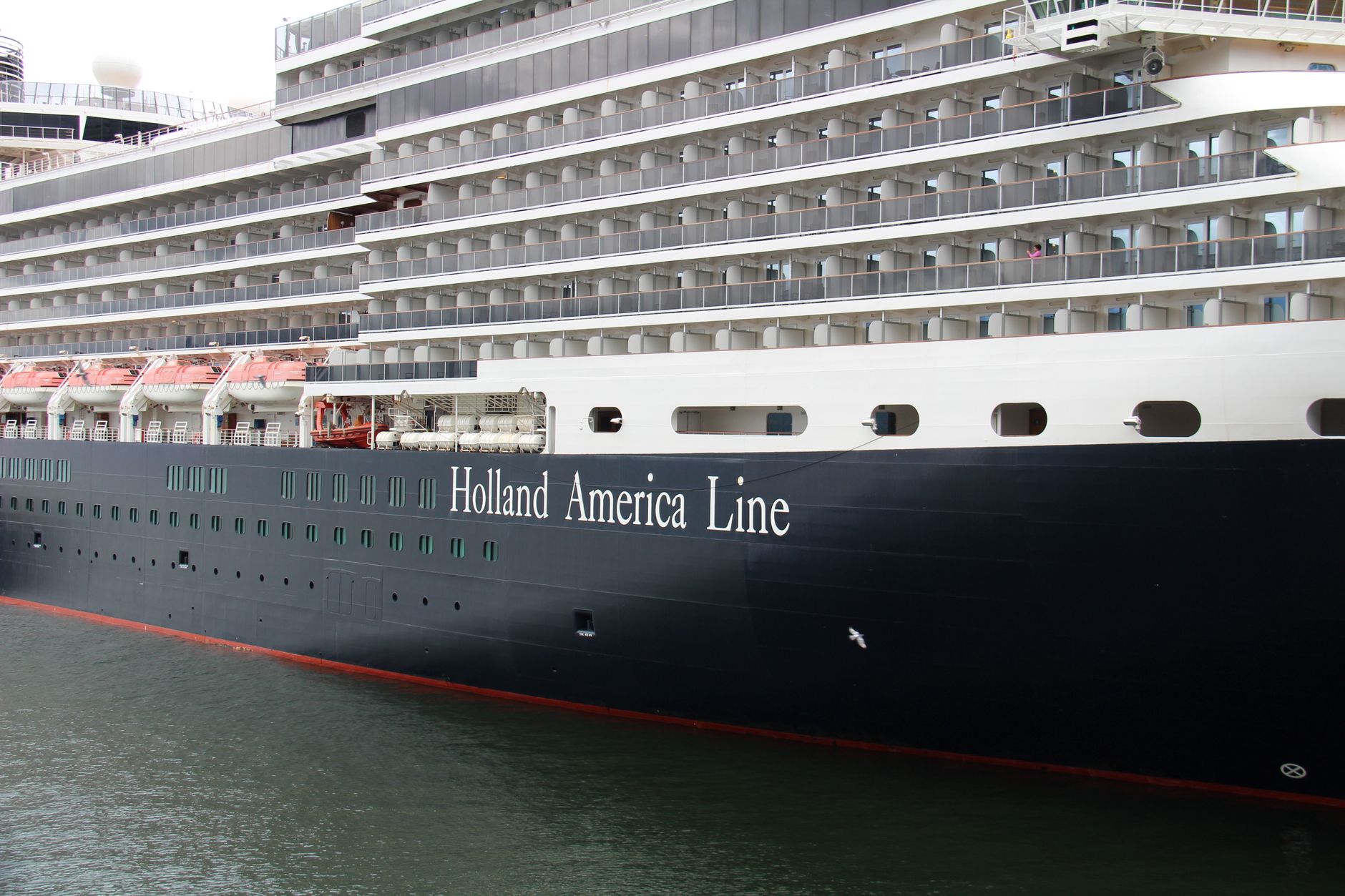
The world’s fastest ocean liner has made headlines as it sinks to create the largest artificial reef. This unprecedented move not only sets a new record but also contributes to marine conservation efforts.
The Journey of the Ocean Liner
The journey of the world’s fastest ocean liner has come to a thrilling conclusion, as it embarks on a new life beneath the waves. After years of service, the vessel was intentionally sunk, marking a significant moment in maritime history. This decision not only pays homage to the ship’s impressive speed but also transforms it into the largest artificial reef in the world.
As the ocean liner descended into the depths, it left behind a legacy of adventure and exploration. The ship, once a bustling hub of luxury and speed, will now serve as a habitat for marine life, promoting biodiversity in the area. The creation of this artificial reef is expected to attract divers and marine enthusiasts from around the globe, eager to witness the underwater spectacle.
In addition to its ecological benefits, the project highlights the importance of sustainable practices in the maritime industry. By repurposing the world’s fastest ocean liner, conservationists hope to inspire future initiatives that marry technology with environmental responsibility.
Impact on Marine Life
The sinking of the world’s fastest ocean liner has created a significant impact on marine life in the surrounding area. The vessel, now a massive artificial reef, is expected to foster biodiversity and provide a new habitat for various species.
Marine biologists have noted several potential benefits:
- Habitat Creation: The sunken liner will serve as a structure for corals and other marine organisms to attach and thrive.
- Increased Biodiversity: As smaller fish and invertebrates populate the reef, larger predatory species will also be drawn to the area, enhancing the local food chain.
- Research Opportunities: Scientists can study the ecological effects of artificial reefs, providing valuable data on marine ecosystems.
- Tourism Boost: The reef could attract divers and marine enthusiasts, contributing to local economies.
While the world’s fastest ocean liner is now resting on the seabed, its legacy continues to evolve, transforming the underwater landscape and supporting a thriving marine community.
Record-Breaking Sinking
The sinking of the world’s fastest ocean liner marks a significant milestone in marine conservation efforts. This remarkable event, which took place off the coast of Florida, transforms the once-majestic vessel into a thriving artificial reef. The ocean liner, known for its speed and luxury, was meticulously prepared for its new role in the ocean ecosystem.
As the vessel descended to the ocean floor, it created a habitat for numerous marine species, helping to foster biodiversity in the area. The structure of the ocean liner offers shelter and breeding grounds for fish and other aquatic life, contributing to the restoration of the local ecosystem.
In addition to its ecological impact, the sinking of the world’s fastest ocean liner serves as a tourist attraction, drawing divers and marine enthusiasts eager to explore the underwater site. Local authorities anticipate that this new artificial reef will not only enhance marine life but also boost the economy through eco-tourism.
With its historical significance and environmental benefits, the ocean liner’s transformation into an artificial reef is celebrated as a groundbreaking achievement.
Community Reactions
As news of the world’s fastest ocean liner being intentionally sunk to create the largest artificial reef spread, community reactions have been overwhelmingly positive. Local residents, marine enthusiasts, and environmentalists have expressed their excitement about the potential benefits of this innovative project.
Many community members are looking forward to the ecological advantages. “This is a game-changer for our marine ecosystem,” said a local biologist. “The artificial reef will provide a habitat for countless marine species that have been dwindling in numbers.”
In addition, local businesses are optimistic about the economic impact. “We anticipate an increase in tourism as divers and ocean lovers flock to see the world’s fastest ocean liner turned reef,” noted the owner of a nearby dive shop.
Concerns have been raised regarding potential environmental impacts during the sinking process, but experts have assured the public that the operation has been thoroughly planned to minimize any harm. As the community embraces this unique opportunity, many hope that the project will inspire similar initiatives worldwide.
Future of Artificial Reefs
The future of artificial reefs is looking brighter than ever, especially with the recent sinking of the world’s fastest ocean liner, which has set a new standard for marine conservation and recreation. As this monumental vessel transforms into a thriving underwater habitat, experts anticipate significant ecological benefits that could ripple through coastal communities.
Artificial reefs like this one serve multiple purposes:
- Habitat Creation: They provide a habitat for various marine species, promoting biodiversity.
- Tourism Attraction: The wreck site is expected to draw divers and tourists, boosting local economies.
- Research Opportunities: Scientists will have a unique opportunity to study the long-term impacts of such large structures on marine ecosystems.
As more ships are decommissioned, the potential to create artificial reefs will continue to grow, leading to innovative projects that not only preserve history but also enhance marine environments. The legacy of the world’s fastest ocean liner will undoubtedly inspire future endeavors in underwater conservation.
Photo by Sima Ghaffarzadeh on Pexels
Read the original
You might also like
Trump judges confirmation: Unusual obstacles from Republicans · Women’s Ashes preparation: What are the best strategies? · Bessent Relocates to Military Base After Iran Threats: Real Safety

One thought on “World’s fastest ocean liner: A record-breaking artificial reef”