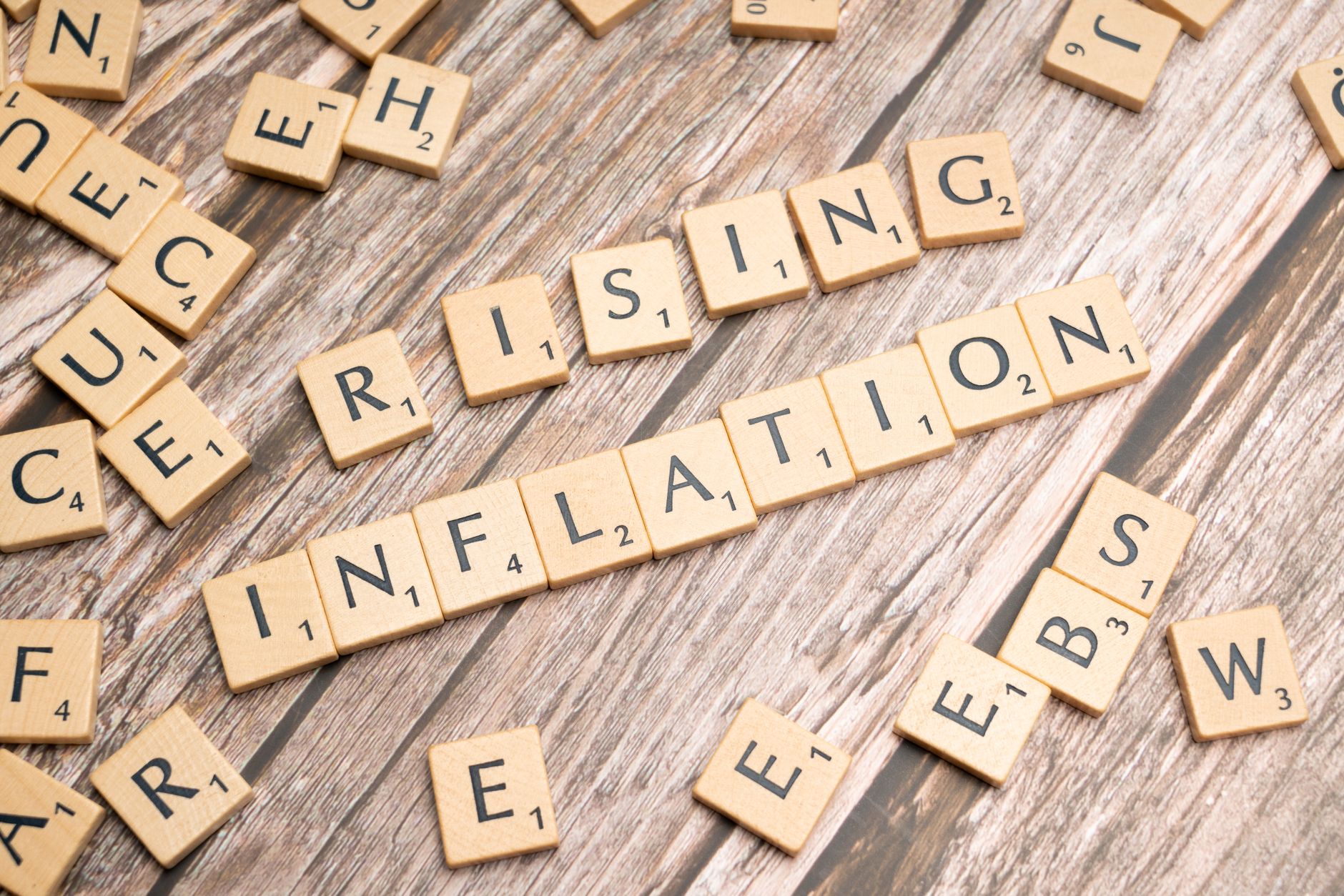
Fed rate hike has triggered a significant market sell-off, impacting stock futures. Investors are closely monitoring the situation for potential recovery signs.
Understanding the Fed Rate Hike
The recent Fed rate hike has sparked significant turmoil in the financial markets, leading to the worst market sell-off in recent memory. As investors digest the implications of the increase, concerns about inflation and economic growth have taken center stage.
During the Federal Reserve’s latest meeting, officials raised interest rates by a quarter of a percentage point, a move aimed at curbing rising inflation. This decision, however, has sent shockwaves throughout various sectors, particularly in technology and consumer goods, which are often sensitive to borrowing costs.
Analysts are now closely monitoring several key indicators to gauge the ongoing impact of the rate hike:
- Market Volatility: Increased fluctuations in stock prices are expected as investors reassess their portfolios.
- Consumer Spending: Higher interest rates may lead to reduced consumer spending, affecting overall economic growth.
- Housing Market: Rising mortgage rates could slow down the housing market, which has been a significant driver of economic activity.
As the situation develops, market participants remain cautious, weighing the potential long-term effects of the Fed’s decision against immediate market reactions.
Market Reaction to Rate Changes
The recent Fed rate hike has triggered a significant reaction in the financial markets, leading to one of the worst sell-offs seen in recent years. Investors are grappling with the implications of increased interest rates as they reassess their portfolios in light of new economic conditions.
Many analysts are concerned about how these rate changes will impact various sectors. Key areas to watch include:
- Technology: Tech stocks, often sensitive to interest rate increases, have seen substantial declines as borrowing costs rise.
- Consumer Goods: With the potential decrease in consumer spending, companies in this sector are facing heightened scrutiny.
- Banking: While higher rates can benefit banks through increased profit margins, the immediate market reaction has been mixed.
Market sentiment remains volatile, with traders reacting swiftly to news from the Federal Reserve. As the situation unfolds, many are adopting a cautious approach, waiting for clearer signals before making significant investment decisions.
Investors are advised to stay informed and consider the long-term implications of the Fed rate hike amidst the ongoing market turbulence.
Implications of the Fed Rate Hike
The recent Fed rate hike has sent shockwaves through the financial markets, leading to significant implications for investors and the broader economy. As interest rates increase, borrowing costs rise, which can dampen consumer spending and business investments. This, in turn, may slow economic growth and impact corporate profits.
In the wake of the rate increase, analysts are closely monitoring several key areas:
- Consumer Spending: Higher interest rates typically lead to more expensive loans, which may discourage consumers from making large purchases, such as homes and cars.
- Investment Strategies: Investors may need to reassess their portfolios, shifting from growth stocks to more stable investments that can withstand economic fluctuations.
- Real Estate Market: The housing market could face challenges as mortgage rates rise, potentially cooling demand and affecting home prices.
- Inflation Control: While the rate hike aims to combat inflation, its effectiveness will depend on various factors, including global supply chain issues and consumer behavior.
As the market adjusts to the implications of the Fed rate hike, investors are advised to stay informed and consider the long-term effects on their financial strategies.
Future Outlook for Investors
The recent Fed rate hike has left investors grappling with uncertainty and volatility in the markets. As the effects of the hike ripple through the economy, analysts are closely monitoring several key indicators to gauge future trends.
Many experts suggest that while the immediate aftermath of the Fed rate hike may appear daunting, there are potential opportunities for savvy investors. Here are some considerations for navigating this turbulent landscape:
- Sector Performance: Historically, certain sectors tend to outperform during periods of rising interest rates. Financials, for instance, might benefit from improved margins on loans.
- Investment Strategies: Diversifying portfolios and focusing on quality stocks with strong fundamentals can help mitigate risks associated with market volatility.
- Long-Term Perspective: Investors are encouraged to maintain a long-term view, as market fluctuations often present buying opportunities for resilient companies.
- Monitoring Economic Indicators: Keeping an eye on inflation rates, employment data, and consumer sentiment will be crucial in assessing the longer-term impacts of the Fed rate hike.
In summary, while the recent market sell-off may pose challenges, it also creates avenues for informed investment strategies in a changing economic landscape.
Photo by Markus Winkler on Pexels

One thought on “Fed rate hike leads to worst market sell-off: Quick updates”