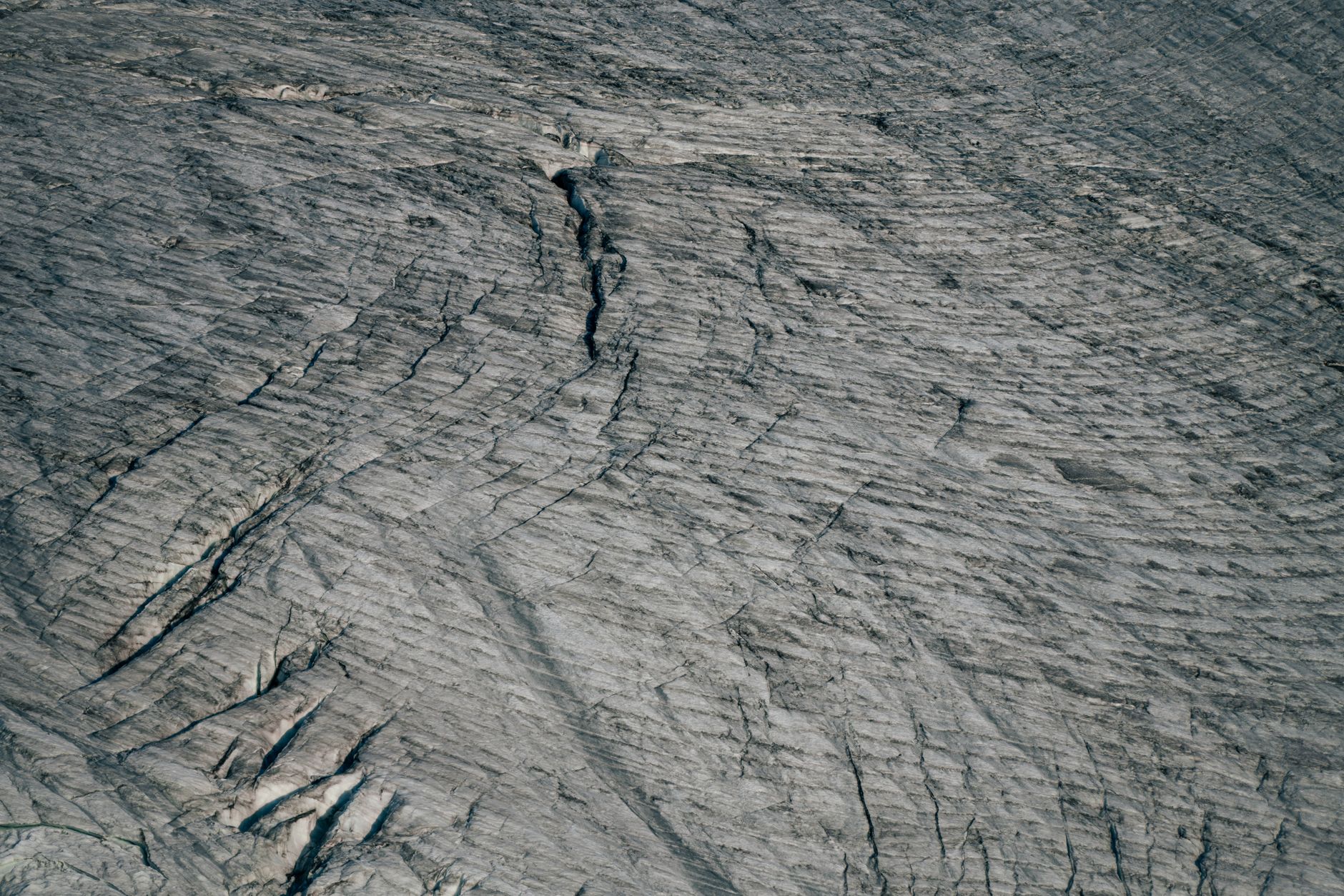
Subglacial landforms proxy offers a unique perspective on offshore freshened groundwater in formerly glaciated margins. Recent studies highlight their significance in understanding geological processes.
Understanding Subglacial Landforms
Subglacial landforms serve as important indicators for understanding the dynamics of groundwater systems in formerly glaciated regions. These unique geological features, formed by the movement of glaciers, provide significant insights into the interaction between ice sheets and the underlying water systems. By studying these landforms, researchers can gain a clearer understanding of how groundwater is affected by glacial activity.
One key aspect of this research involves examining how subglacial landforms proxy can reflect the presence of freshwater sources. This is particularly relevant in areas where glaciers have retreated, revealing the underlying geology and hydrology. Analyzing these landforms helps scientists identify patterns of groundwater flow and distribution.
Some critical findings from recent studies include:
- Identification of freshwater pathways influenced by past glacial movements.
- Insights into the geological formations that control groundwater systems.
- Understanding the implications of climate change on groundwater availability.
Overall, subglacial landforms provide valuable data for hydrologists and geologists alike, enhancing our comprehension of groundwater dynamics.
The Role of Groundwater
Groundwater plays a crucial role in understanding subglacial landforms proxy, providing valuable insights into hydrological processes beneath glacial environments. These hidden reservoirs can significantly influence the dynamics of glaciers, affecting their movement and stability. By analyzing the characteristics of subglacial landforms, researchers can identify patterns that indicate the presence and flow of groundwater.
Recent studies have shown that subglacial landforms serve as indicators of past and present groundwater systems, revealing how they interact with glacial ice. The morphology of these landforms can inform scientists about the hydraulic conditions that shaped them, allowing for a better understanding of the subsurface environment.
Furthermore, recognizing the relationship between subglacial landforms and groundwater can enhance predictions of how glacial systems may respond to climate change. As glaciers retreat, the dynamics of groundwater flow may shift, leading to further changes in landforms. This interplay highlights the importance of studying subglacial landforms as a proxy for groundwater to mitigate potential environmental impacts.
Impact of Climate Change
Climate change is profoundly affecting subglacial environments, leading to changes in hydrology and landform development. As glaciers retreat, subglacial landforms proxy can provide critical insights into the evolving dynamics of groundwater systems. The melting ice alters the flow of water beneath glaciers, which can significantly impact the geological features left behind.
Researchers have observed the following consequences of climate change on subglacial landforms:
- Increased Melting: Higher temperatures accelerate ice melt, reshaping the landscape and affecting groundwater recharge.
- Altered Flow Patterns: As ice decreases, the flow of water beneath glaciers can redirect, creating new subglacial channels.
- Groundwater Availability: Changes in landforms can either enhance or limit the movement of freshwater, affecting ecosystems and human resources.
Understanding these impacts is essential for predicting future groundwater availability and managing water resources in formerly glaciated areas.
Research Methodologies
The research methodologies employed in this study focused on the analysis of subglacial landforms proxy to gain insights into groundwater dynamics. A combination of remote sensing techniques and field surveys was utilized to collect data on subglacial features, which are critical indicators of past glacial activity and groundwater movement.
Key methodologies included:
- Geophysical Surveys: Techniques such as ground-penetrating radar (GPR) were used to map subglacial structures beneath ice sheets.
- Geological Mapping: Detailed mapping of landforms allowed researchers to correlate surface features with subsurface hydrological patterns.
- Hydrological Modeling: Models were developed to simulate groundwater flow and assess the influence of subglacial topography on aquifer systems.
- Field Sampling: Water samples collected from below ice sheets provided empirical data to validate the models and support the interpretation of landform proxies.
These methodologies collectively enhance our understanding of how subglacial landforms serve as proxies for offshore freshened groundwater in areas affected by glaciation.
Key Findings from Recent Studies
Recent studies have provided significant insights into the role of subglacial landforms proxy in understanding groundwater dynamics in formerly glaciated regions. Researchers have discovered that these landforms can serve as valuable indicators of the subsurface flow of freshwater. Key findings include:
- Identification of Patterns: The presence of specific subglacial features correlates with measurable changes in groundwater levels, suggesting that these landforms can be reliable proxies.
- Groundwater Freshening: Analysis shows that areas with distinct subglacial landforms are often associated with freshened groundwater, indicating past glacial activity.
- Climate Indicators: The study highlights how shifts in subglacial landforms may reflect broader climatic changes, influencing groundwater recharge rates.
- Implications for Coastal Regions: Findings suggest that understanding these landforms can aid in predicting groundwater availability and quality in coastal margins.
Overall, the subglacial landforms proxy represents a promising avenue for researchers to explore groundwater interactions and their implications for environmental management.
Future Implications for Geology
The exploration of subglacial landforms proxy offers significant implications for the future of geology, particularly regarding freshwater resources. As researchers continue to uncover the relationship between these landforms and groundwater, new avenues for sustainable management may emerge.
Understanding how subglacial landforms function as indicators can enhance our knowledge of aquifer systems in formerly glaciated regions. This knowledge is crucial as it aids in predicting the availability of freshwater in areas threatened by climate change.
Key implications include:
- Resource Management: Improved techniques to locate and manage freshwater resources.
- Environmental Monitoring: Enhanced strategies for monitoring groundwater quality and availability.
- Climate Adaptation: Development of frameworks to adapt to climate impacts on freshwater systems.
Ultimately, the insights gained from utilizing subglacial landforms proxy can shape our understanding of geological processes and guide future research in hydrology and environmental science.
Subglacial Landforms Proxy Explained
The concept of a subglacial landforms proxy is critical in understanding the complex interactions between glaciers and groundwater systems. These landforms, formed beneath ice sheets, serve as important indicators of past climatic conditions and hydrological processes. By studying the morphology and distribution of these features, researchers can infer the behavior of ancient glaciers and the dynamics of subglacial water flow.
Subglacial landforms, such as drumlins and eskers, not only provide insights into glacial movement but also help identify areas where freshwater may have been released into the ocean during deglaciation. This can have significant implications for understanding current sea-level rise and freshwater distribution in formerly glaciated margins.
Moreover, the study of these landforms enhances our ability to model groundwater systems today, allowing scientists to predict how changes in climate and ice dynamics may influence subsurface water reservoirs. As research continues to evolve, the subglacial landforms proxy remains a valuable tool in exploring the past and future of Earth’s hydrological cycles.
Photo by Damien Schnorhk on Pexels
Where this came from
Himachal Pradesh earthquake: 4.1 Magnitude Shakes Shimla · Ban ICE Parking Lots: Proven Reasons for Change · iPhone pre-orders India: Easy Steps to Book Online Today
One thought on “Subglacial landforms proxy: Clear insights into groundwater”