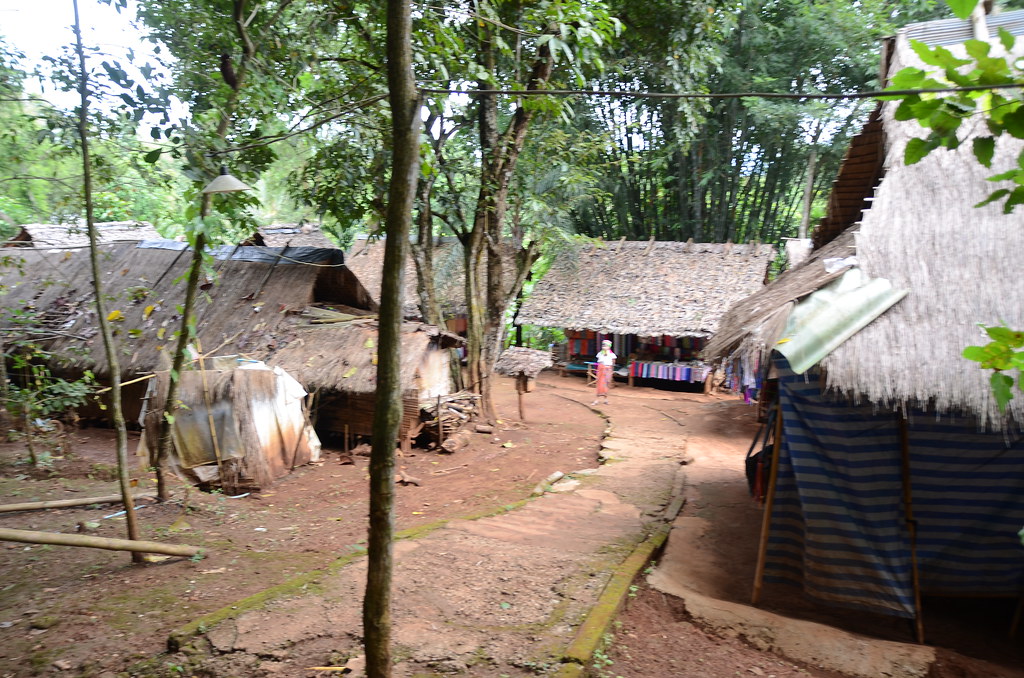
Refugee resettlement routes are being expanded by the UK government, providing new opportunities for asylum seekers. This initiative includes India among seven targeted countries.
UK’s New Refugee Resettlement Initiative
The UK government has unveiled a new initiative aimed at providing safe and legal refugee resettlement routes for individuals fleeing conflict and persecution. This program marks a significant shift in the country’s approach to asylum seekers, aiming to streamline the process and offer support to those in need.
Among the notable features of this initiative is the inclusion of seven countries, with India being highlighted as a key nation from which refugees may be resettled. This decision reflects the UK’s commitment to addressing humanitarian crises in various regions.
Under this initiative, refugees will be offered pathways to safety through a variety of programs, including:
- Humanitarian routes: These are designed for individuals at immediate risk due to factors such as persecution or conflict.
- Community sponsorship: Local groups and organizations can play an active role in supporting refugees as they integrate into society.
- Family reunification: This aspect aims to unite families separated by war or violence, allowing them to rebuild their lives together.
The introduction of these refugee resettlement routes is expected to not only provide immediate aid to those in crisis but also foster a sense of community and solidarity within the UK. By taking proactive steps, the government hopes to set a precedent for other nations to follow in offering refuge to the vulnerable.
Countries Included in the Resettlement Plan
The recent announcement from the UK government has shed light on the countries included in the new refugee resettlement routes aimed at providing safe options for asylum seekers. This initiative is part of a broader effort to create legal pathways for individuals fleeing conflict and persecution.
Among the nations highlighted in the resettlement plan are:
- India
- Afghanistan
- Syrian Arab Republic
- Sudan
- Democratic Republic of the Congo
- Yemen
- Ukraine
This diverse list reflects the UK’s commitment to addressing the ongoing global refugee crisis. Each country presents unique challenges, prompting the need for tailored resettlement strategies that can effectively meet the needs of vulnerable populations.
By including these countries in the new refugee resettlement routes, the UK aims to not only fulfill its humanitarian obligations but also to enhance the overall safety and well-being of those seeking asylum. The initiative marks a significant step forward in providing a structured and secure approach to refugee resettlement, emphasizing the importance of international cooperation in tackling these pressing issues.
As the situation continues to evolve, these resettlement routes could play a crucial role in offering hope and stability to countless individuals facing dire circumstances.
Impact on Asylum Seekers
The introduction of new refugee resettlement routes marks a significant shift in the landscape for asylum seekers. With the announcement of these safe and legal pathways, individuals fleeing conflict and persecution can find more secure options for relocation. This initiative not only aims to alleviate the humanitarian crisis but also provides a structured process for those in dire need.
For many asylum seekers, the journey to safety is fraught with danger and uncertainty. The new resettlement routes provide a glimmer of hope, allowing individuals to bypass perilous travel conditions and exploitative situations. By formalizing the process, the initiative seeks to enhance the dignity and rights of those seeking refuge.
Among the notable features of this program is the inclusion of India and several other countries, which broadens the scope for potential refugees. Access to these routes is crucial, as it empowers individuals to seek sanctuary without resorting to dangerous crossings or illegal means.
Moreover, the impact on local communities in host countries can be positive. By facilitating refugee resettlement, countries can benefit from the diverse skills and perspectives that newcomers bring. The integration of refugees into society can foster a sense of unity and shared purpose, ultimately enriching the cultural fabric of the host nation.
In conclusion, the new refugee resettlement routes offer a vital solution for asylum seekers, aiming to provide safety and stability amidst global turmoil.
Government’s Commitment to Refugees
The UK government has reaffirmed its commitment to supporting refugees through the introduction of new resettlement routes aimed at providing safe and legal options for those seeking asylum. This initiative is part of a broader strategy to enhance collaboration with various countries and organizations dedicated to addressing the global refugee crisis.
In a recent announcement, officials highlighted the importance of offering alternatives to dangerous journeys that many refugees undertake. The new refugee resettlement routes are designed to ensure that vulnerable individuals can access safety and stability without resorting to perilous means of travel.
According to government sources, this initiative will include a diverse range of countries, with India being one of the notable additions among the seven nations involved. The decision to include India reflects a growing recognition of the diverse backgrounds and needs of refugees, as well as the commitment to provide them with opportunities to rebuild their lives.
Moreover, the government has emphasized that these routes will not only facilitate the entry of refugees but also promote integration and community support upon their arrival. There will be a focus on providing essential services, including housing, education, and employment assistance, to ensure that refugees can successfully adapt to their new environments.
As the UK continues to develop its refugee resettlement routes, the commitment to protecting the rights and dignity of asylum seekers remains a top priority.
Public Response to the New Routes
The announcement of new refugee resettlement routes has sparked a significant public response, reflecting both support and concern among UK citizens. Many community organizations and advocacy groups have expressed enthusiasm about the initiative, viewing it as a vital step towards providing safety for those fleeing conflict and persecution.
Supporters of the resettlement routes argue that this move demonstrates the UK’s commitment to humanitarian values. Charlotte Green, a spokesperson for a local refugee support group, stated, “These routes provide a lifeline for vulnerable individuals and families. We must ensure that the process is welcoming and effective.”
On the other hand, some critics raise concerns about the potential strain on local resources and services. James Holloway, a local council member, mentioned, “While we want to help, we also need to prepare our communities for the challenges that may arise with increased numbers of refugees.”
In light of these differing opinions, public forums are being organized to facilitate discussions on the implications of the new routes. Many emphasize the importance of community involvement in the resettlement process, advocating for collaboration between local governments, organizations, and residents.
Overall, the response to the new refugee resettlement routes indicates a complex landscape of public sentiment, with many eager to support asylum seekers while also seeking assurance that local needs will be addressed.
Challenges Ahead for Refugees
As the UK rolls out its new refugee resettlement routes, challenges still loom large for many asylum seekers. While the initiative aims to provide safe and legal pathways for those fleeing persecution and hardship, several obstacles must be navigated to ensure its success.
Many refugees face significant hurdles, including:
- Limited Awareness: Many potential asylum seekers are unaware of the new routes available to them, which can hinder their ability to access these options.
- Complex Application Processes: The application process for resettlement can be overwhelming, often requiring extensive documentation and proof of eligibility, which poses a challenge for those in vulnerable situations.
- Resource Constraints: Both NGOs and local agencies may face limitations in resources and funding, impacting their ability to assist refugees in navigating the resettlement procedures.
- Host Community Integration: While the public response has been mostly positive, integrating refugees into local communities remains a challenge, as misconceptions and fears can lead to resistance.
Furthermore, the inclusion of diverse countries in the resettlement plan may complicate logistics and coordination. As the UK seeks to streamline these refugee resettlement routes, ongoing collaboration between government bodies, NGOs, and community organizations will be essential to address these challenges and provide effective support for asylum seekers.
Future of Refugee Policies in the UK
The future of refugee policies in the UK appears to be shifting towards a more structured and compassionate approach, particularly with the introduction of new refugee resettlement routes. These routes aim to provide asylum seekers with safe and legal pathways to enter the country, reducing the reliance on perilous journeys.
As the UK government implements these changes, there is a growing recognition of the need to adapt to the evolving global landscape of migration. The inclusion of countries like India in the resettlement plan highlights an expanding vision that prioritizes humanitarian needs while addressing security concerns.
Experts suggest that the effectiveness of these policies will depend on several factors:
- Collaboration with NGOs: Building strong partnerships with non-governmental organizations is crucial for effective implementation.
- Public Awareness: Educating the public about the benefits of refugee resettlement can foster a more welcoming environment.
- Monitoring and Evaluation: Continuous assessment of the resettlement routes will help in identifying challenges and improving the system.
Furthermore, the government’s commitment to providing resources will be vital in ensuring that refugees receive the support they need upon arrival. As these new routes take shape, they may set a precedent for future policies, reflecting a more humane approach to asylum and migration in the UK.
As countries around the world reevaluate their immigration policies, new refugee resettlement routes are being established to provide safer pathways for those fleeing conflict. These innovative refugee resettlement routes not only aim to ease the burden on host nations but also prioritize the safety and dignity of asylum seekers.
By shankar s. via Openverse
Where this came from
You might also like
Public Impeachment of CEC: The Right Move for Accountability · Tech Selloff Impact: Worst Month for Nasdaq in Over a Year · Stock Market Today: Worst Nasdaq Decline After Bitcoin Hack

One thought on “Refugee Resettlement Routes: New Safe Options for Asylum Seekers”