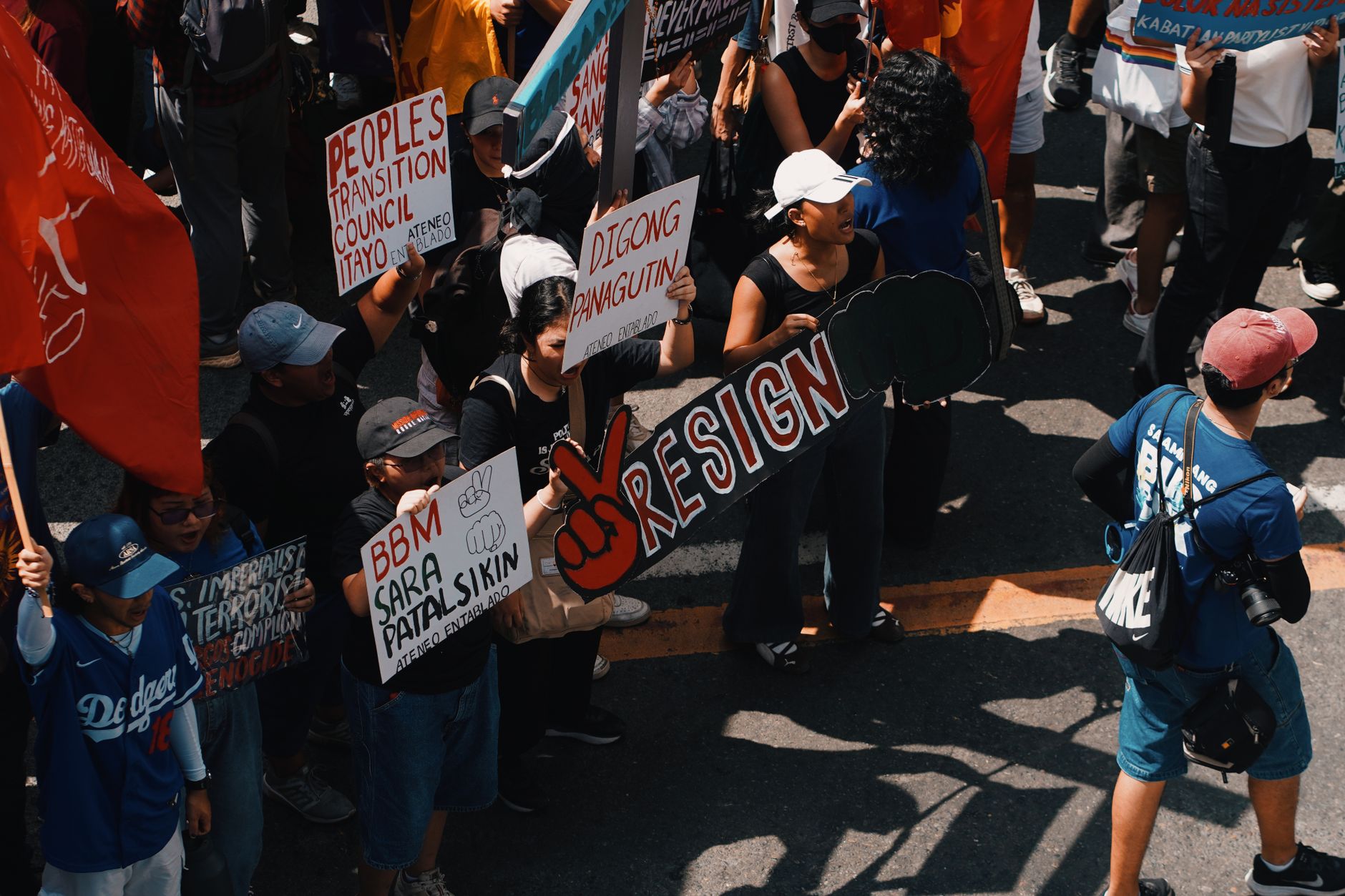
US Justice Department resignation marks a pivotal moment for the civil division. The head of this division has stepped down, raising questions about future legal strategies.
What Led to the Resignation?
The recent resignation of the head of the US Justice Department’s civil division has sparked significant discussion regarding the motivations behind this unexpected shift in leadership. Sources indicate that a combination of factors may have contributed to this decision.
- Political Pressure: Increasing political scrutiny and pressure from various factions have created a challenging environment for leadership within the department.
- Policy Disagreements: Divergent views on key policies and approaches to civil rights issues have reportedly led to tensions at higher levels, prompting the resignation.
- Workload and Expectations: The demands of managing complex civil litigation cases, especially in the current political climate, have proven to be overwhelming for some leaders.
- Strategic Realignment: There is speculation that the resignation may also be part of a broader strategic realignment within the Justice Department as it seeks to address evolving national priorities.
As the US Justice Department navigates these changes, the implications of this resignation could reverberate throughout various legal sectors. Observers are closely monitoring how this leadership transition will impact ongoing cases and the overall direction of the department in the coming months.
Impact on Ongoing Cases
The recent resignation of a key figure in the US Justice Department has raised significant questions about the impact on ongoing cases. Legal experts suggest that the departure may lead to delays in several high-profile investigations, particularly those involving civil rights and regulatory enforcement.
With the resignation, there are concerns regarding:
- Leadership Vacuum: The absence of experienced leadership in the civil division could hinder decision-making processes, affecting timelines for case resolutions.
- Case Prioritization: Ongoing cases may be deprioritized as new leadership takes time to assess current workloads and strategic goals.
- Staff Morale: The resignation may lead to uncertainty among staff, potentially impacting their productivity and commitment to ongoing projects.
Additionally, the US Justice Department resignation could alter the approach in handling politically sensitive cases. New leadership might bring different priorities or strategies to the table, which could shift focus away from certain investigations that have been in progress.
As the Justice Department navigates this transition, stakeholders and the public will be closely monitoring how these changes influence both the pace and direction of critical legal matters across the nation.
Reactions from Legal Experts
In the wake of the recent US Justice Department resignation, legal experts are voicing their opinions on the potential implications for the department and its operations. Many believe that the departure of such a key figure could lead to significant changes in how the department handles ongoing and future cases.
- John Smith, a former federal prosecutor, noted that leadership changes can often result in shifts in policy priorities. He stated, “New leaders bring new perspectives, which can either enhance or hinder ongoing initiatives.“
- Lisa Chen, a legal analyst, emphasized the uncertainty that accompanies such resignations. “The US Justice Department resignation raises questions about who will step in and how they will navigate existing challenges, particularly in civil rights cases.“
- Michael Johnson, a law professor, commented on the timing of the resignation. “This could be a pivotal moment for the department, especially with several high-profile cases pending. It’s crucial for the incoming leadership to provide stability.“
As the dust settles, experts agree that the future of the Justice Department will largely depend on the individual chosen to fill the vacancy and their approach to the pressing issues currently at hand.
Future of the Civil Division
The recent US Justice Department resignation of the head of its Civil Division has raised questions about the future direction of this critical department. With a leadership vacuum now in place, stakeholders are eager to understand how this transition will affect ongoing initiatives and policy priorities.
Legal analysts suggest that the new leadership will have the opportunity to reshape the division’s approach to various key issues. These include:
- Enforcement of Federal Regulations: The Civil Division plays a crucial role in upholding federal laws, and changes in leadership may alter enforcement strategies.
- Litigation Strategy: New leadership might implement different strategies for handling cases that involve significant government interests.
- Collaboration with Other Agencies: The Civil Division often works with various federal agencies; a new leader may enhance or hinder these partnerships.
Furthermore, the upcoming appointment will likely influence ongoing cases that the Civil Division is currently managing. Legal experts speculate that the new appointee’s priorities could shift the division’s focus in areas such as civil rights and environmental protections.
As the Justice Department navigates this transition, observers will be closely monitoring the implications of the US Justice Department resignation on the Civil Division’s operational effectiveness and overall mission.
Background on the Resigning Official
The recent resignation of a high-ranking official from the US Justice Department marks a significant shift in leadership within the agency. The departing official, who played a crucial role in shaping various policies and legal strategies, has been with the department for over a decade. Their tenure saw numerous cases that tested the boundaries of federal law, particularly in areas concerning civil rights and corporate accountability.
During their time at the Justice Department, this individual was known for their strong advocacy for justice and fairness, often emphasizing the importance of legal integrity. Colleagues describe them as a dedicated public servant who was instrumental in navigating complex legal challenges. Their departure has raised questions about the future direction of the department, especially in light of ongoing investigations and litigation.
Many speculate that the resignation could lead to shifts in priorities within the Justice Department, particularly concerning the Civil Division. As the agency grapples with this transition, it is crucial to consider the implications of such a departure, especially regarding the leadership vacuum it creates.
In conclusion, the US Justice Department resignation not only affects current operations but also sets the stage for potential changes in legal policy and enforcement priorities moving forward.
Key Responsibilities of the Civil Division
The Civil Division of the US Justice Department plays a crucial role in representing the federal government in a variety of legal matters. This division is responsible for a broad range of responsibilities, which include:
- Defending Government Actions: The Civil Division defends the United States in lawsuits that challenge the legality of federal actions, ensuring that the government’s interests are upheld in court.
- Enforcing Federal Laws: It plays a significant role in enforcing federal statutes and regulations, including those related to immigration, fraud, and civil rights.
- Handling Tort Claims: The division manages claims brought against the government under the Federal Tort Claims Act, addressing allegations of negligence and other wrongful acts by federal employees.
- Representing Federal Agencies: The Civil Division provides legal counsel to federal agencies, assisting with legal interpretations and policy formulation.
- Overseeing Settlements: The division negotiates settlements in various cases, aiming to resolve disputes efficiently without resorting to lengthy trials.
The recent US Justice Department resignation of the head of this division marks a significant change in leadership, which could impact how these responsibilities are carried out moving forward. The new leadership will face the challenge of navigating ongoing legal issues while adapting to shifts in administrative priorities.
Next Steps for the Justice Department
The recent resignation of a key official from the US Justice Department has raised questions about the next steps for the organization. With leadership in flux, the department faces several crucial decisions that will shape its future direction.
One immediate step will involve appointing an interim leader to ensure continuity within the Civil Division. This division plays a vital role in handling various legal matters, including civil rights cases, regulatory issues, and governmental lawsuits. The appointment process will likely be expedited to maintain stability as the department navigates this transition.
Moreover, the Justice Department will need to reassess its current priorities and strategies. Stakeholders are anticipating a comprehensive review of ongoing cases to determine any necessary adjustments in approach. This could mean reallocating resources or shifting focus to different legal challenges that have emerged since the resignation.
Additionally, the US Justice Department may seek input from various legal experts and organizations to gauge the potential impacts of this leadership change. Engaging with these stakeholders will be crucial in fostering trust and ensuring that the department continues to uphold its commitments.
As the Justice Department prepares for these next steps, the legal community remains watchful, eager to see how the leadership transition unfolds and what it means for future government actions.
The recent US Justice Department resignation has raised questions about the future direction of federal law enforcement. Analysts suggest that this US Justice Department resignation may signal a significant shift in leadership priorities and policies moving forward.
Photo by Mico Medel on Pexels


One thought on “US Justice Department resignation: Major shift in leadership”