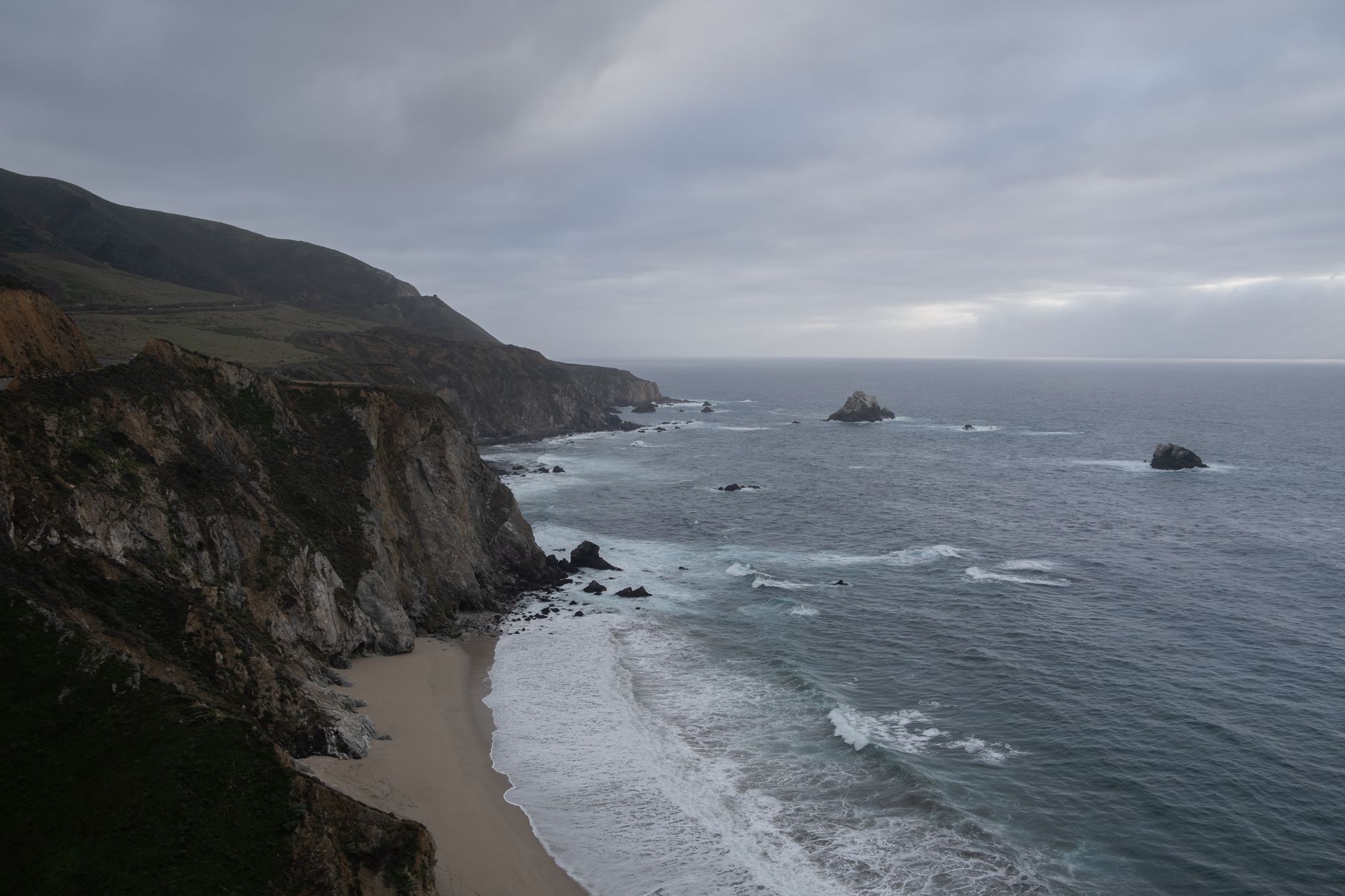
California storm waves are a serious concern as powerful storms slam the coast, potentially leading to waves up to 50 feet high. This extreme weather poses risks to coastal communities and infrastructure.
Understanding the Current Storm Conditions
As the latest weather systems approach the California coastline, residents and officials are bracing for the potential impact of severe storm waves. Forecasts indicate that the state could experience waves exceeding 50 feet, prompting warnings for coastal communities.
Experts are closely monitoring the situation, as these conditions can lead to significant hazards, including:
- Coastal Erosion: The powerful waves are likely to erode beaches and shorelines, altering landscapes and affecting local ecosystems.
- Flooding: High surf can cause flooding in low-lying areas, posing risks to infrastructure and property.
- Dangerous Surf Conditions: Increased wave height can create treacherous conditions for swimmers and surfers, leading to potential rescues and injuries.
Authorities are urging residents to stay informed and avoid coastal areas during the storm’s peak, emphasizing the importance of safety as the California storm waves approach.
Historical Context of California Storms
The history of California storms reveals a pattern of intense weather events that have shaped the state’s coastal landscape. Over the years, numerous storms have generated powerful waves, with some reaching astonishing heights. The phenomenon of California storm waves is not a new occurrence; rather, it has been documented for decades.
In the late 1980s and early 1990s, El Niño events contributed to severe storms that resulted in significant coastal erosion and damage to infrastructure. These storms highlighted the vulnerability of California’s shores to extreme weather.
More recently, scientists have observed a trend of increasing storm intensity, correlating with climate change and rising sea levels. The combination of these factors has led to concerns that future storms may produce even larger waves, with potential heights of 50 feet or more.
- 1983: A series of storms caused extensive flooding and damage in Southern California.
- 1997-1998: The El Niño winter brought heavy rains and powerful surf.
- 2016: Storms generated waves that led to significant coastal erosion.
Understanding this historical context is crucial as California braces for the latest storm challenges.
Safety Precautions for Coastal Residents
As California braces for an onslaught of powerful storm waves, it is crucial for coastal residents to prioritize safety. The impact of these waves can be devastating, and taking the right precautions is essential to minimize risks.
Here are some recommended safety measures for those living along the coast:
- Stay Informed: Monitor local weather reports and heed warnings from authorities regarding storm conditions and wave heights.
- Avoid the Shoreline: During severe storms, it is advisable to stay away from beaches and coastal areas where waves can surge unexpectedly.
- Secure Property: Ensure that outdoor furniture and personal belongings are secured to prevent them from being swept away by high tides.
- Emergency Preparedness: Create an emergency plan that includes evacuation routes and necessary supplies in case of flooding.
- Community Vigilance: Look out for neighbors, especially the elderly or those with disabilities, to ensure everyone remains safe during severe weather events.
By following these precautions, residents can better protect themselves from the potential dangers posed by California storm waves.
Impact on Local Wildlife and Ecosystems
The recent California storm waves have raised concerns about their impact on local wildlife and ecosystems. As the powerful waves crash against the coastline, they can lead to significant disruptions in marine habitats.
Many species that rely on coastal environments for shelter and breeding may face challenges during these turbulent conditions. The surge caused by the storm waves can displace sand and alter the structure of vital habitats such as tidal flats and estuaries.
Experts have identified several key impacts:
- Disruption of Breeding Grounds: Many birds and marine mammals depend on stable shorelines to reproduce.
- Loss of Habitat: The force of the waves can erode beaches and diminish the availability of food sources for local fish populations.
- Increased Pollution: Storm conditions can wash pollutants into the ocean, further threatening marine life.
As California braces for these extreme weather events, understanding their effects on ecosystems is crucial for wildlife conservation efforts.
Emergency Services Response Plans
In response to the anticipated California storm waves, emergency services have activated comprehensive response plans to ensure the safety of residents and visitors along the coast. Local authorities are coordinating with state agencies to prepare for potential flooding and erosion, particularly in vulnerable areas.
Key components of the response plans include:
- Evacuation Routes: Designated evacuation routes have been established to facilitate safe passage for those in low-lying coastal regions.
- Emergency Shelters: Temporary shelters will be available for displaced residents, equipped with essential supplies and medical assistance.
- Public Information Campaigns: Authorities are disseminating information via social media and local news outlets, urging residents to stay informed about the storm’s progress and safety measures.
- Collaboration with Utility Companies: Teams are on standby to address power outages and infrastructure damage caused by the extreme weather.
As the storm approaches, the focus remains on protecting lives and property amid the unfolding challenges posed by the powerful waves.
Future Weather Predictions for California
As meteorologists analyze the latest data, future weather predictions for California indicate that the state may experience increasingly severe storm waves in the coming weeks. Forecasts suggest potential wave heights could reach as much as 50 feet, posing significant risks to coastal communities.
Experts warn that these extreme conditions could lead to a range of impacts, including:
- Coastal Erosion: Higher waves can accelerate erosion, threatening homes and infrastructure.
- Flooding: Increased wave activity may result in flooding in low-lying areas, leading to possible evacuations.
- Dangerous Surf Conditions: The storm waves create hazardous conditions for surfers and beachgoers.
- Infrastructure Damage: Roads, bridges, and piers are at risk of damage from the relentless pounding of surf.
As California braces for these potential storm waves, residents are urged to stay informed and prepare for possible disruptions in the coming days.
The destructive force of California storm waves can lead to significant coastal erosion, impacting both natural habitats and human infrastructure. As communities brace for the next event, understanding the worst impacts of California storm waves becomes crucial for effective preparedness and response strategies.
Photo by Mo Eid on Pexels
Sources
You might also like
Agniveers Passing Out Parade: A Complete Celebration of Service · GTA 6 footage: The Realistic Graphics You Must See · Jensen Huang affair: Worst allegations spark divorce fears
One thought on “California Storm Waves: What Are the Worst Impacts?”