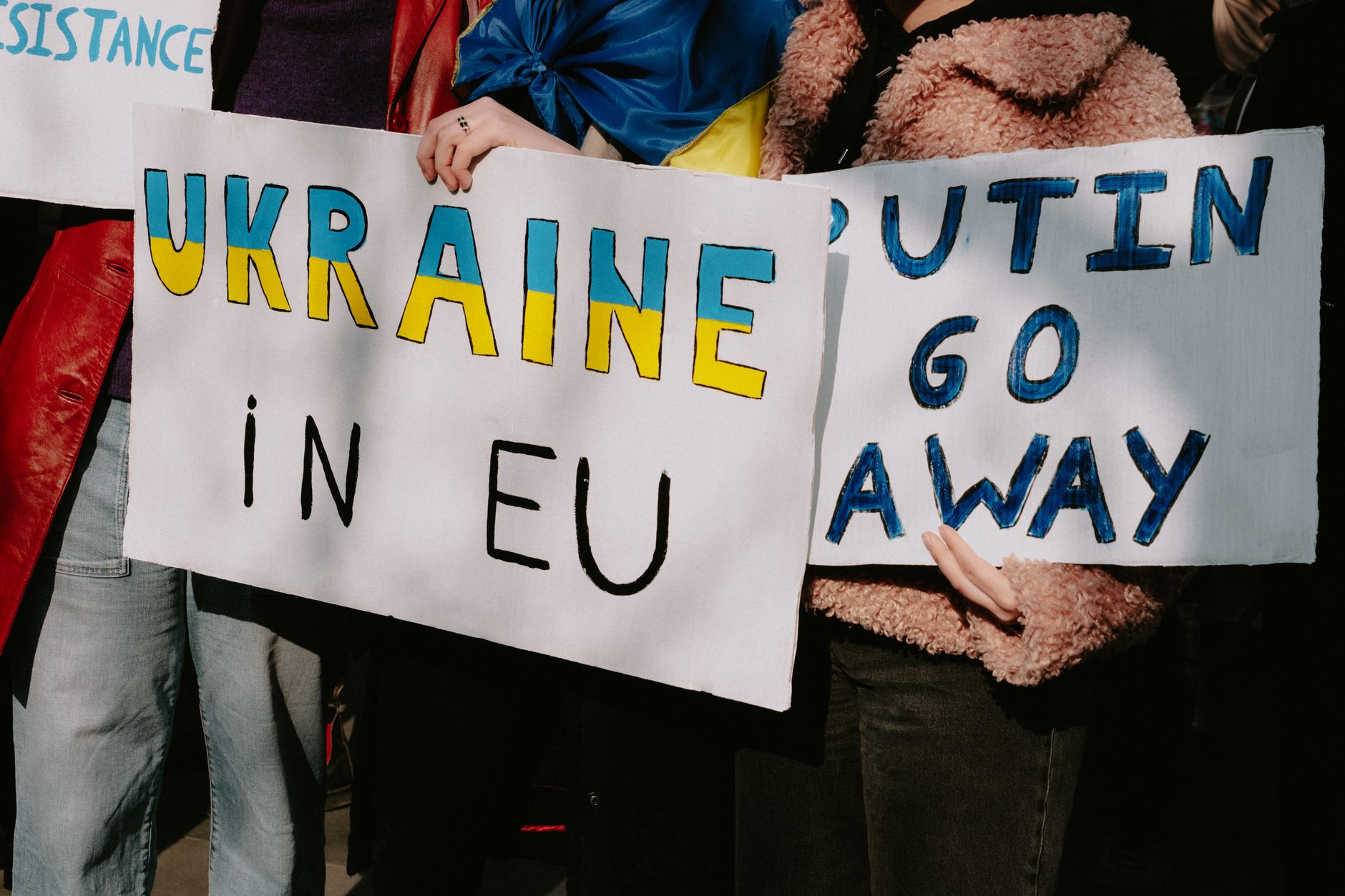
Putin plans to defeat Ukraine have significantly changed. Initially, he had four strategies, but now only two remain, raising questions about the future of the conflict.
Overview of Putin’s Initial Plans
In the evolving landscape of the conflict between Russia and Ukraine, Vladimir Putin’s initial plans have undergone significant changes. Initially, it was believed that Putin had a comprehensive strategy involving multiple approaches to defeat Ukraine swiftly. However, as the conflict has progressed, it has become evident that many of these plans have either failed or been abandoned.
Putin’s aspirations likely included:
- Rapid Military Success: An attempt to quickly overwhelm Ukrainian defenses and establish control over key regions.
- Political Manipulation: Efforts to instigate divisions within Ukraine and exploit political instability.
- International Isolation: A strategy aimed at deterring Western support for Ukraine by showcasing strength.
- Economic Warfare: Using economic pressure to weaken Ukraine’s resolve and capability to fight back.
As the situation stands, it is clear that Putin plans to defeat Ukraine with the remaining strategies that focus on military endurance and leveraging geopolitical alliances. The challenges faced have forced a reevaluation of tactics, leading to a more prolonged and complex engagement. The international community watches closely as Putin adapts to these unforeseen circumstances, impacting the conflict’s trajectory.
The Remaining Strategies
As the conflict in Ukraine continues to evolve, analysts have begun to identify the remaining strategies that Russian President Vladimir Putin may employ to achieve his goal of defeating Ukraine. Initially, Putin had laid out four distinct plans, but recent developments have narrowed his options to just two viable strategies.
The first remaining strategy involves a significant escalation of military operations in Eastern Ukraine. This approach focuses on consolidating control over key cities and regions, which would allow Russia to strengthen its bargaining position in any future negotiations. Analysts suggest that this could lead to a prolonged conflict, with increased casualties and destruction.
The second strategy revolves around a more insidious approach of political influence and destabilization. This involves using disinformation campaigns and supporting pro-Russian factions within Ukraine to weaken the central government and create divisions among the populace. By fostering unrest, Putin aims to undermine Ukraine’s resilience and make it more susceptible to external pressures.
Both strategies highlight a shift in Putin’s plans to defeat Ukraine, reflecting a recognition of the challenges faced on the battlefield. As the situation unfolds, the international community is closely monitoring these developments, wondering how they might influence the broader geopolitical landscape.
Impact on Ukraine’s Defense
The ongoing conflict has led to significant implications for Ukraine’s defense capabilities. As Putin plans to defeat Ukraine, the nation’s military strategies are evolving rapidly in response to the changing battlefield dynamics.
One major impact is the shift in resource allocation. Ukraine has been compelled to enhance its military infrastructure and procure advanced weaponry from Western allies. This support is crucial as the country faces a more determined Russian strategy that emphasizes sustained pressure on multiple fronts.
Furthermore, the morale of Ukrainian forces remains a critical factor. The resilience displayed by troops in the face of adversity has become a cornerstone of Ukraine’s defense. As the conflict persists, maintaining this morale is essential not only for combat effectiveness but also for the broader population’s support of the war effort.
Additionally, Ukraine’s defense strategy has increasingly relied on asymmetric warfare tactics. By utilizing guerrilla tactics and hit-and-run operations, Ukrainian forces aim to exploit weaknesses in the Russian military’s larger, conventional approach. This adaptability is crucial as Putin’s plans to defeat Ukraine hinge on overwhelming force, which can be undermined by unexpected tactics.
In conclusion, the impact on Ukraine’s defense is profound, fostering resilience and innovation as the nation continues to navigate the complexities of this ongoing conflict.
International Reactions
As President Vladimir Putin continues to refine his military strategies, international reactions have varied significantly, reflecting a complex geopolitical landscape. Many countries are closely monitoring Putin’s plans to defeat Ukraine, expressing concern over the potential escalation of conflict.
Among the reactions:
- United States: The U.S. government has reiterated its support for Ukraine, providing military aid and sanctions against Russia. Officials express that they are prepared for any developments in Putin’s plans.
- European Union: EU leaders have called for a unified response to Russian aggression. Discussions around increasing sanctions and military support for Ukraine are ongoing, emphasizing the need for solidarity.
- China: China has taken a more cautious approach, advocating for dialogue while maintaining its strategic partnership with Russia. Analysts suggest that China is wary of the consequences should Putin’s plans to defeat Ukraine fail.
- Ukraine: Ukrainian officials remain resolute, stating that they are determined to counteract any of Putin’s strategies. The emphasis on resilience and international collaboration has become a cornerstone of their response.
These varied responses highlight the global stakes involved and the intricate web of diplomacy that surrounds the ongoing conflict in Ukraine.
Future Implications for the Region
The future implications for the region surrounding Ukraine are significant as Putin plans to defeat Ukraine using his remaining strategies. The ongoing conflict has already altered the geopolitical landscape, fostering uncertainty among neighboring countries.
As the war continues, several potential outcomes may emerge:
- Increased Military Presence: Should Putin succeed in his plans, we may see an increased military presence in Eastern Europe, instigating fears of further aggression against neighboring nations.
- Shifts in Alliances: Countries may reevaluate their alliances, potentially leading to new defense pacts or agreements as they seek to safeguard their own interests against a more emboldened Russia.
- Humanitarian Crises: The prolonged conflict could exacerbate humanitarian crises, with waves of refugees impacting countries across Europe and putting additional strains on international resources.
- Economic Consequences: The war has already disrupted global markets. Continued instability may lead to rising energy prices and supply chain disruptions, affecting economies far beyond Eastern Europe.
Ultimately, the strategic moves made by Putin and his administration will not only influence Ukraine’s future but also reshape the dynamics of power in the entire region, prompting a global reassessment of security strategies and alliances.
As the conflict escalates, many analysts are trying to decipher how exactly Putin plans to defeat Ukraine amidst increasing international pressure. Understanding the underlying motivations behind Putin plans to defeat Ukraine is crucial for predicting the future of the region.
Photo by Mathias Reding on Pexels
Read the original
You might also like
Flights Canceled: Airlines Face Tough Recovery After Ground Stop · Republican losses midterm elections: What went wrong? · Pune restaurant licenses suspended: Worst food safety violations
One thought on “Putin Plans to Defeat Ukraine: What’s the Real Strategy?”