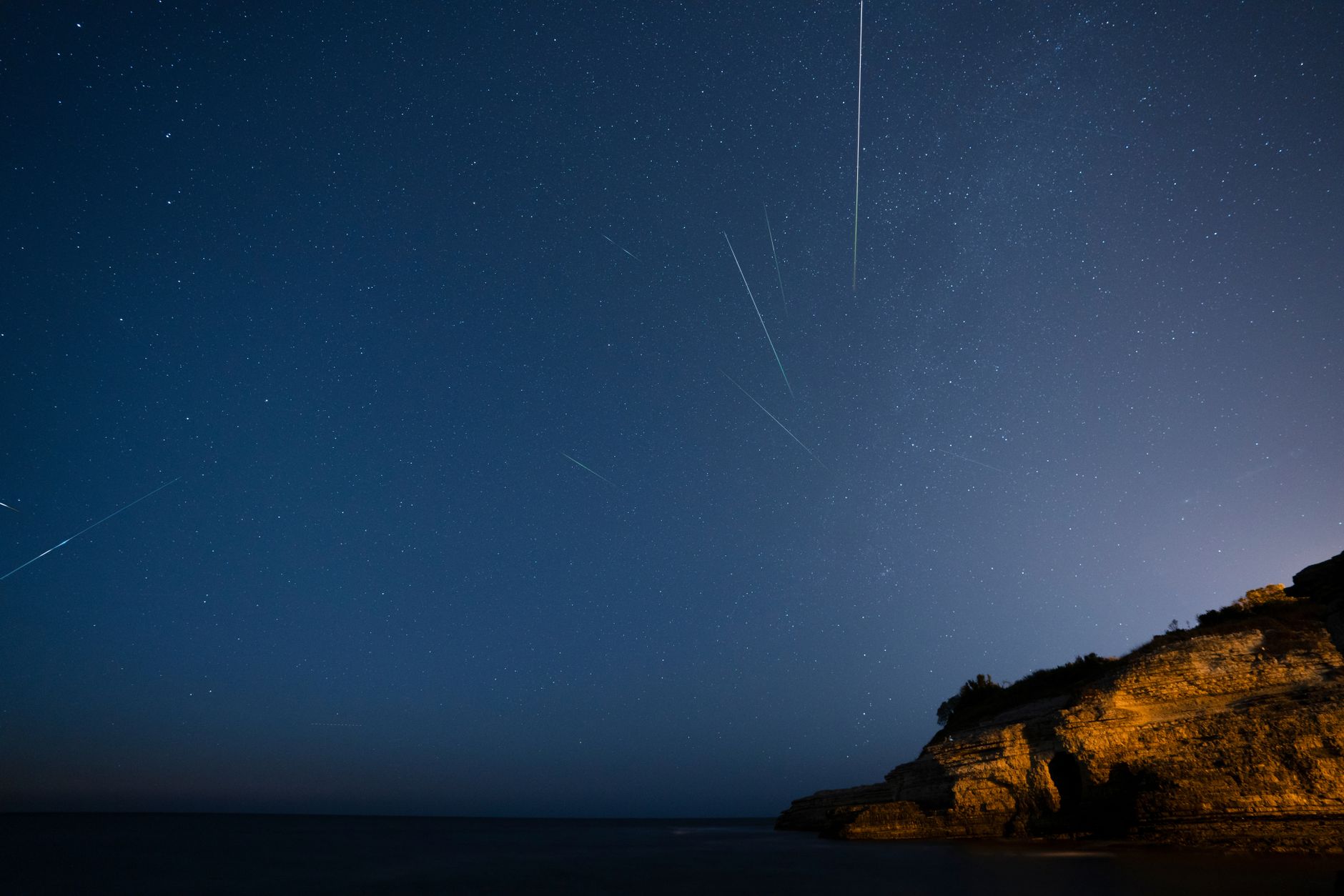
The Leonid meteor shower is set to peak soon, offering skywatchers a dazzling display of shooting stars. This annual event is one of the highlights for astronomy enthusiasts.
What is the Leonid meteor shower?
The Leonid meteor shower is one of the most anticipated celestial events, captivating stargazers around the world with its breathtaking displays. Occurring annually in November, this meteor shower is known for its fast and bright meteors, which can reach speeds of up to 71 kilometers per second as they enter the Earth’s atmosphere.
The origin of the Leonids can be traced back to the comet Tempel-Tuttle, which takes approximately 33 years to complete its orbit around the Sun. As the Earth passes through the debris left by this comet, countless meteors streak across the night sky, creating a mesmerizing show. The peak of the Leonid meteor shower typically occurs between November 16 and 18, when observers can witness up to 15 to 20 meteors per hour, although in some years, the rate has soared to hundreds.
Many enthusiasts look forward to this event not just for the spectacle, but also for the chance to capture stunning photographs of the meteors. To fully experience the Leonid meteor shower, it is recommended to find a dark location away from city lights, ensuring the best visibility of these fleeting shooting stars.
When will the Leonid meteor shower peak?
The Leonid meteor shower is set to peak on the night of November 17 into the early hours of November 18. Stargazers should prepare for a dazzling display as the Earth passes through the debris trail left by Comet Tempel-Tuttle. This year, conditions appear to be favorable for viewing, with minimal interference from the moonlight.
Experts suggest that the best time to observe the shower will be after midnight, when the radiant point of the meteors rises higher in the sky. During this period, viewers may witness up to 15 meteors per hour under ideal conditions. However, the actual number can vary based on several factors, including light pollution and weather conditions.
To make the most of the experience, consider the following tips:
- Find a location away from city lights to enhance visibility.
- Bring a reclining chair or blanket for comfortable stargazing.
- Allow your eyes to adjust to the darkness for at least 20 minutes.
- Dress warmly, as temperatures can drop significantly at night.
As the Leonid meteor shower approaches, many enthusiasts are eagerly anticipating this celestial event, hoping for clear skies and a spectacular show.
How to best view the Leonid meteor shower?
To experience the full wonder of the Leonid meteor shower, proper planning is essential. Here are some tips to ensure you catch the best views of this celestial event:
- Find a dark location: Light pollution can significantly hinder visibility. Seek out a spot away from city lights, such as a park or a countryside area.
- Check the weather: Clear skies are crucial. Look for a night with minimal cloud cover to enhance your viewing experience.
- Time your viewing: The peak activity of the Leonid meteor shower typically occurs during the pre-dawn hours. Settle in a few hours before dawn to maximize your chances of seeing meteors.
- Bring comfortable gear: A reclining chair or blanket will help you relax while you gaze up at the sky. Dress warmly to stay comfortable during the cooler night air.
- Limit distractions: Turn off your phone or any other electronics that may distract you from the natural display. Allow your eyes to adjust to the darkness for the best experience.
By following these tips, you’ll enhance your chances of witnessing the spectacular display of the Leonid meteor shower, making it a highlight of the year.
Historical significance of the Leonid meteor shower
The Leonid meteor shower has a rich historical significance that dates back centuries, captivating stargazers and astronomers alike. First recorded in 1833, this celestial event showcased a dazzling display of shooting stars that left an indelible mark on the study of meteors.
One of the most remarkable aspects of the Leonid meteor shower is its unpredictability. While it regularly occurs every November, the intensity of the shower can vary dramatically from year to year. Some years have witnessed breathtaking outbursts, with thousands of meteors per hour lighting up the night sky, while other years offer a more subdued spectacle.
Throughout history, the Leonids have been associated with significant events, including the famous meteor storm of 1966, where observers reported up to 150,000 meteors per hour. This event not only sparked public interest in meteor showers but also prompted scientific research into the origins and behaviors of meteoroids.
In recent times, the Leonid meteor shower has continued to intrigue scientists and enthusiasts, leading to a deeper understanding of the trail of debris left by Comet Tempel-Tuttle. The combination of its historical significance and its potential for spectacular displays makes the Leonid meteor shower a highlight in the astronomical calendar.
Tips for stargazing during the meteor shower
As the Leonid meteor shower approaches its peak, stargazers can enhance their experience by following these simple tips.
- Find a Dark Location: Seek an area away from city lights and pollution. Parks or rural areas are ideal for clear visibility.
- Check the Weather: Ensure the night is clear of clouds. Overcast skies can obstruct your view of the meteors.
- Give Your Eyes Time to Adjust: Spend at least 20-30 minutes in the dark to allow your eyes to adapt, enhancing your ability to spot faint meteors.
- Dress Comfortably: Wear warm clothing and bring blankets or reclining chairs to stay comfortable while watching the sky.
- Be Patient: Meteors may not appear frequently, so remain patient and keep your eyes on the sky.
- Use a Star App: Download an astronomy app to help identify constellations and celestial events, making your stargazing experience more enriching.
With these tips in mind, you can fully enjoy the breathtaking spectacle of the Leonid meteor shower, making it one of the year’s most captivating celestial events.
What makes the Leonid meteor shower unique?
The Leonid meteor shower is renowned for its unique characteristics that set it apart from other meteor showers. One of the most striking features is its association with the comet Tempel-Tuttle, which orbits the Sun every 33 years. As Earth passes through the debris left by this comet, spectators can witness a breathtaking display of shooting stars.
Another aspect that makes the Leonid shower special is the potential for dramatic outbursts. Historically, certain years have seen meteor rates surge to incredible heights, with thousands of meteors visible per hour. This phenomenon occurs roughly every 33 years, creating a buzz among astronomers and stargazers alike as they eagerly anticipate the next grand display.
Additionally, the Leonids are known for their fast meteors, traveling at speeds of up to 44 miles per second. This high velocity results in bright and persistent trails, making them easier to spot against the night sky. Their brightness and speed contribute to the overall excitement of the event, drawing in enthusiasts from all over the world.
With its rich history, occasional spectacular outbursts, and swift meteors, the Leonid meteor shower remains a standout event in the celestial calendar, captivating audiences every year.
Safety tips for meteor watching
As the Leonid meteor shower approaches, it’s essential to prioritize safety while enjoying this spectacular celestial event. Here are some valuable tips to enhance your meteor-watching experience:
- Choose a Safe Viewing Location: Find a dark area away from city lights, but ensure it’s safe and accessible. Avoid steep cliffs or areas with heavy foot traffic.
- Dress Appropriately: Temperatures can drop significantly at night. Wear layers to keep warm, and bring blankets or sleeping bags for comfort.
- Bring Necessary Supplies: Carry a flashlight with a red filter to preserve your night vision. Don’t forget snacks and drinks to stay energized during your stargazing session.
- Be Mindful of Wildlife: If you’re in a natural area, be aware of local wildlife. Avoid attracting animals with food and remain alert to your surroundings.
- Stay Hydrated: Remember to drink water, especially if you plan to watch for extended periods. Hydration is key to staying comfortable.
- Enjoy Responsibly: If you’re in a group, keep noise levels down to enhance the experience for everyone. Respect nature and leave no trace behind.
Following these safety tips will ensure a memorable night under the stars during the Leonid meteor shower.
Other notable meteor showers this year
This year has been remarkable for astronomy enthusiasts, with several notable meteor showers lighting up the night sky. While the Leonid meteor shower is a highlight, it is not the only celestial event worth mentioning. Here are some other significant meteor showers that took place in 2023:
- Quadrantids: Peaking in early January, this meteor shower is known for its bright fireballs and can produce up to 120 meteors per hour during its peak. The Quadrantids are best viewed in the early morning hours.
- Lyrids: Occurring in April, the Lyrids are one of the oldest known meteor showers, with records dating back over 2,600 years. They typically produce about 20 meteors per hour.
- Perseids: Arguably the most popular meteor shower, the Perseids peak in August and can produce up to 100 meteors per hour. This year, they coincided with a crescent moon, making for excellent viewing conditions.
- Geminids: Scheduled for December, the Geminids are known for their vibrant colors and can be one of the most spectacular showers, with rates exceeding 120 meteors per hour.
Each of these showers offers unique viewing experiences, making 2023 a memorable year for stargazers.
Photo by FURKAN GÜNEŞ on Pexels
Sources
The Guardian · Leonid meteor shower
India cricket series victory: A Proven Celebration of Triumph · California Coast Waves: The Worst Surfing Conditions in Years · Maoist terror in India: A Proven Path to Security and Jobs


One thought on “Leonid meteor shower: Is it the best celestial event this year?”