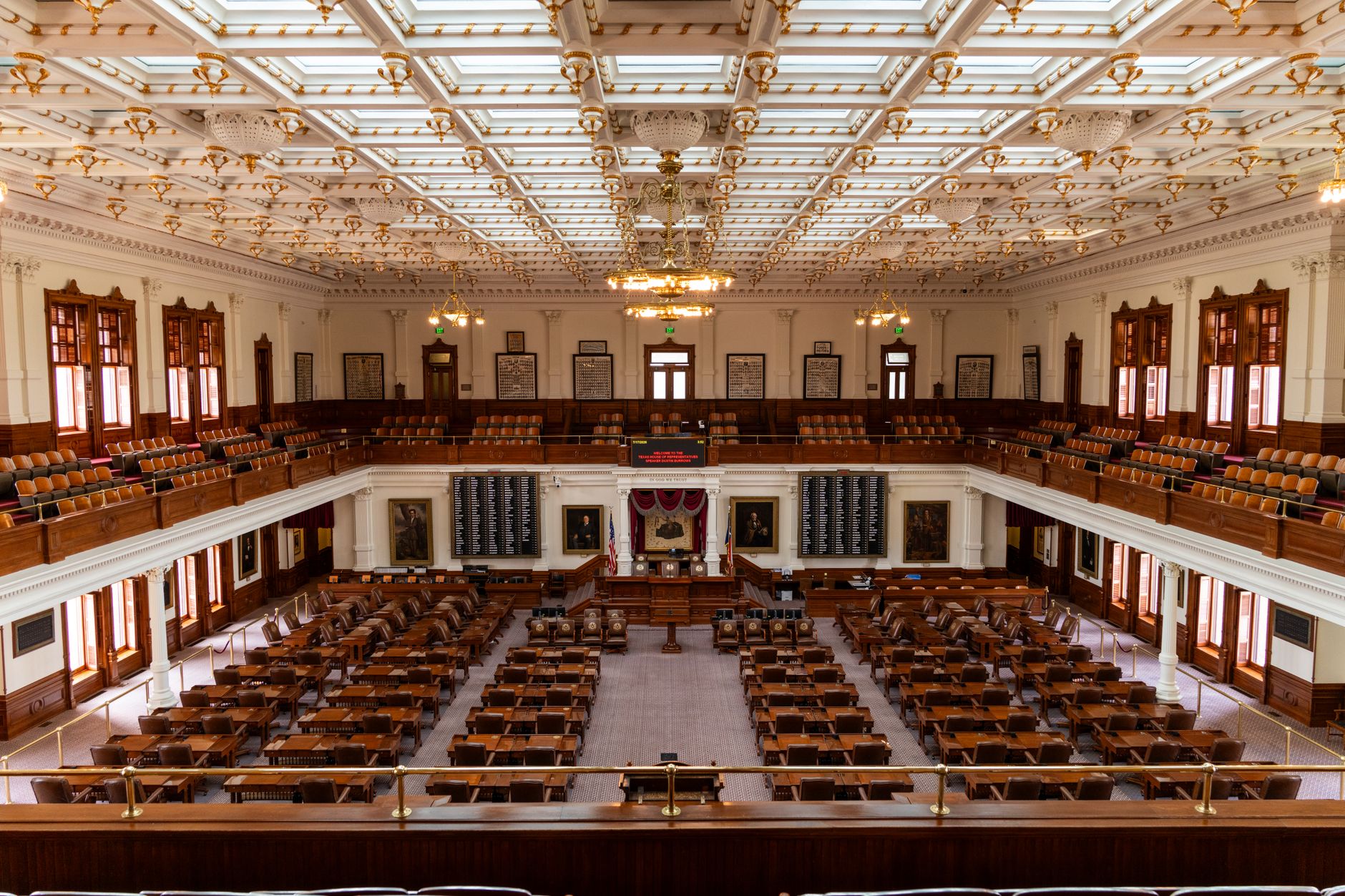
The Texas House seat controversy has sparked significant debate as her rival claims she can’t take office. This situation raises questions about election integrity and representation.
Background of the Election
The Texas House seat controversy stems from the recent election held in a pivotal district, where tensions have risen over the legitimacy of the results. In a closely watched race, candidate A claimed victory, only to face immediate challenges from candidate B, who argues that the election should be invalidated due to alleged irregularities.
As the dust settles, the implications of this controversy extend beyond the immediate election outcome. Candidate A has garnered significant support, yet candidate B maintains that procedural errors during voting could disqualify the results. This situation has raised questions about electoral integrity and the processes that govern elections in Texas.
The conflict has attracted attention not only from local residents but also from state and national observers, all eager to understand the unfolding drama. As the Texas House seat controversy continues, both sides prepare to present their cases, and the future of representation in the district hangs in the balance.
Who is the New Lawmaker?
The recent Texas House seat controversy has brought attention to the newly elected lawmaker, Jessica Morales. Elected from District 34, Morales has quickly become a focal point in the ongoing political debate surrounding her eligibility to take office.
Morales, a former city council member, campaigned on a platform advocating for education reform, affordable housing, and healthcare accessibility. Her rise in politics has been marked by a commitment to her community and a progressive agenda that resonates with many voters in her district.
Despite her victory, her rival, David Thompson, has raised questions about the legitimacy of her election, claiming irregularities that could potentially disqualify her from serving. The controversy hinges on legal interpretations regarding residency requirements and campaign financing.
As the situation unfolds, many are left wondering how this Texas House seat controversy will impact not only Morales’s future but also the broader political landscape in the state.
The Rival’s Claims Explained
The recent Texas House seat controversy has sparked considerable debate regarding the legitimacy of the election results. At the center of the dispute are claims made by the defeated candidate, who argues that the newly elected lawmaker is ineligible to take office.
According to the rival, several issues could invalidate the election, including:
- Voter Registration Irregularities: The rival alleges that a number of voters were not properly registered, which may have skewed the results in favor of the winning candidate.
- Campaign Finance Violations: There are accusations that the winning candidate received unlawful contributions that exceeded the legal limits.
- Eligibility Concerns: The rival contends that the elected official does not meet the residency requirements mandated by state law.
While the newly elected representative maintains that she has complied with all legal requirements, the controversy continues to unfold, with many calling for a thorough review of the election process to restore public confidence in the democratic system.
Implications for Texas Politics
The ongoing Texas House seat controversy has significant implications for the state’s political landscape. With accusations swirling and legal challenges mounting, the situation is not just a matter of one election but could reshape the dynamics within the Texas legislature.
Political analysts suggest that this controversy may deter potential candidates from running in future elections due to concerns about the legitimacy of the electoral process. In addition, the outcome could influence voter confidence, as citizens question the integrity of their representatives.
Furthermore, if the rival’s claims gain traction, it could lead to a shift in party power, potentially affecting key legislation and initiatives in the state. As both sides prepare for a legal battle, the implications extend beyond individual careers; they may affect policy-making and representation for Texans.
As the situation unfolds, it will be crucial to monitor how this controversy influences not only the immediate race but also the broader political climate in Texas.
Public Reaction to the Controversy
The recent Texas House seat controversy has sparked a wave of public reaction, with many residents expressing their opinions on social media and at local gatherings. Supporters of the newly elected lawmaker argue that the election results should be respected, emphasizing the importance of democracy and the will of the voters.
Conversely, critics claim that the rival’s allegations against her eligibility raise serious questions about the integrity of the electoral process. This divide has led to heated discussions, with some residents calling for a thorough investigation into the claims made by the rival.
Many community members have taken to local forums to voice their concerns, highlighting the potential implications for future elections in Texas. A poll conducted by a local news agency revealed that over 60% of respondents believe the election results should stand, while a smaller percentage supports further scrutiny.
As the controversy continues to unfold, it remains to be seen how public sentiment will influence the ongoing discussions surrounding this contentious issue.
Legal Perspectives on the Situation
The Texas House seat controversy has raised significant legal questions regarding election procedures and candidate eligibility. Legal experts have weighed in on the situation, highlighting the complexities involved in election law.
- Election Law Interpretation: Some attorneys argue that the interpretation of election laws in Texas could influence the outcome of the controversy. They emphasize that understanding the nuances of voter eligibility is crucial.
- Precedents Set: Legal precedents from previous cases may play a role in determining the validity of the claims made by the rival. Past rulings could either support or undermine the argument against the newly elected lawmaker.
- Impacts on Future Elections: The outcome of this dispute may set a significant precedent for future elections in Texas, potentially affecting how candidates are vetted and challenges are handled.
Ultimately, the legal perspectives surrounding the Texas House seat controversy will likely influence not only the current situation but also the framework for electoral integrity in the state moving forward.
Next Steps for the Lawmaker
As the Texas House seat controversy unfolds, the newly elected lawmaker prepares to navigate the complex landscape ahead. Following the intense scrutiny surrounding her victory, several key steps will be essential for her to solidify her position and address the challenges posed by her rival’s claims.
First, the lawmaker will need to gather legal support to counter the allegations regarding her eligibility. This could involve:
- Consulting with legal experts to examine the validity of the claims made against her.
- Preparing a comprehensive defense that outlines her qualifications and adherence to election laws.
- Engaging with constituents to reassure them of her commitment to representing their interests.
Additionally, she may consider holding public forums to address concerns directly and foster transparency. As the situation develops, the lawmaker’s next moves will be pivotal in shaping not only her political future but also the broader implications of the Texas House seat controversy.
Photo by Brett A on Pexels


One thought on “Texas House Seat Controversy: The Real Story Behind It”