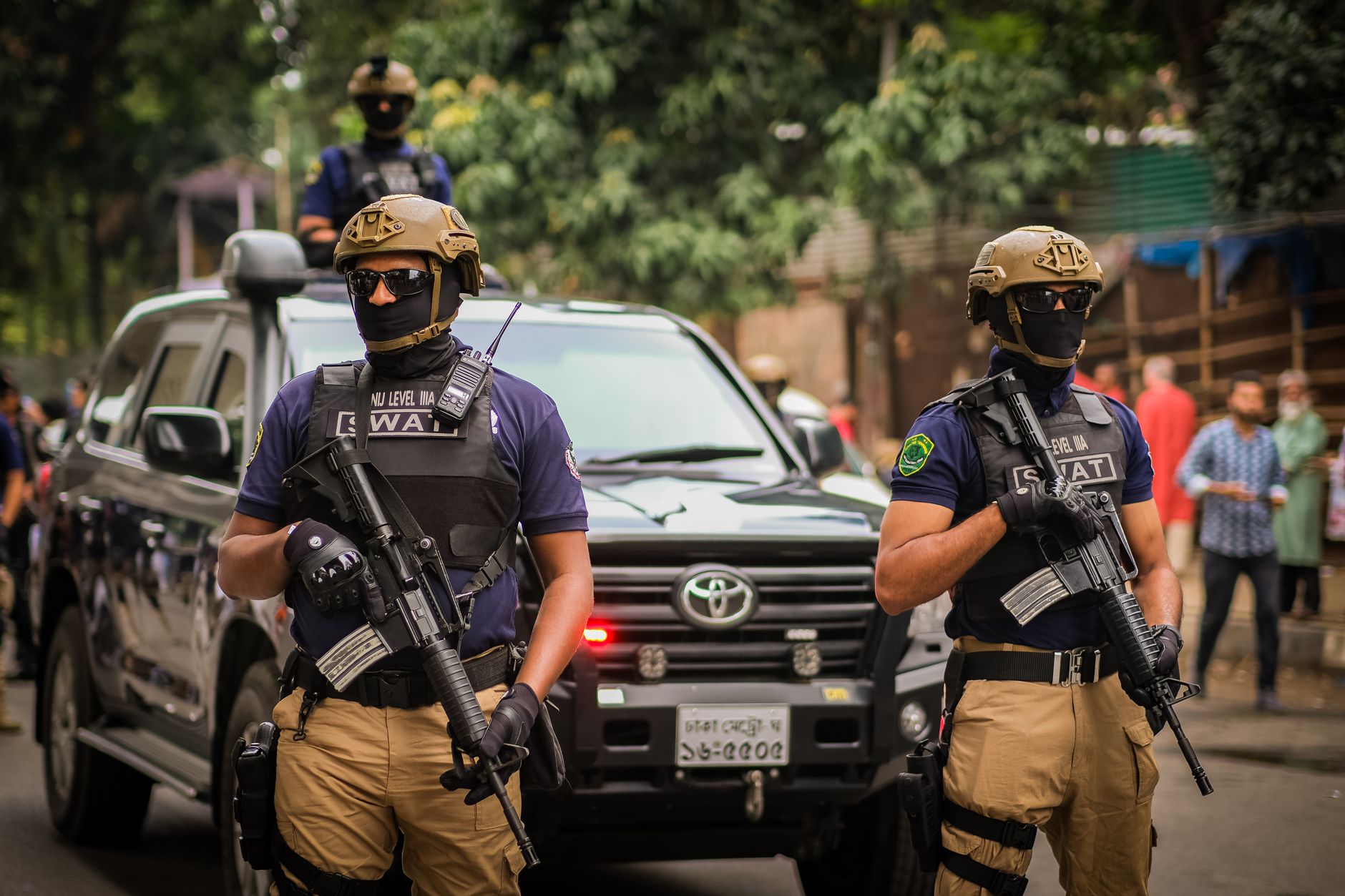
Maoist terror in India has ended, according to PM Modi, who highlights the significant improvements in security and job availability for tribal communities.
Overview of Maoist Terror in India
Maoist terror in India has been a significant challenge for the country, particularly affecting the tribal regions where the insurgency has thrived. This movement, rooted in socio-economic disparities, has led to violence, loss of life, and widespread fear among the local populations. Over the years, the Indian government has implemented various strategies to combat this insurgency, focusing on both security measures and development initiatives.
The impact of Maoist terror has been felt most acutely in states like Chhattisgarh, Jharkhand, and Odisha, where the presence of armed groups has disrupted everyday life. Many tribal communities have been caught in the crossfire, with their livelihoods severely affected. To address these issues, the government has recognized the need for a dual approach that combines security with socio-economic development.
Efforts to end Maoist terror have included:
- Increased security operations: Strengthening law enforcement to dismantle Maoist networks.
- Development programs: Investing in infrastructure, education, and employment opportunities for tribal populations.
- Community engagement: Building trust and collaboration between government agencies and local communities.
As Prime Minister Modi stated, the government aims to bring security and jobs to those affected by Maoist terror, fostering a more stable and prosperous environment for all.
PM Modi’s Statement on Security
In a recent statement, Prime Minister Narendra Modi addressed the ongoing challenges posed by Maoist terror in India, emphasizing the government’s commitment to restoring peace and security in affected regions. He highlighted the significant progress made in combating Maoist insurgency, which has long hindered economic development and the well-being of local communities.
Modi remarked, “Our government has taken decisive steps to eradicate Maoist terror and ensure the safety of our citizens. The focus is not only on security but also on creating opportunities for employment and growth.” He stressed the importance of a multi-faceted approach that includes both military operations and socio-economic development initiatives.
The Prime Minister noted that under his leadership, various programs have been launched to uplift tribal populations, providing them with access to education, healthcare, and job opportunities. “We aim to integrate these communities into the mainstream, fostering a sense of belonging and hope,” he said.
Modi underscored the importance of collaboration between government agencies and local populations in the fight against Maoist terror. He urged citizens to remain vigilant and report any suspicious activities that could undermine the peace process. The government is determined to ensure that the gains made in security and development are sustained and expanded.
Impact on Tribal Communities
The impact of Maoist terror in India has been particularly devastating for tribal communities, who often find themselves caught in the crossfire between militant groups and state forces. These communities, largely dependent on agriculture and forest resources, face not only violence but also economic instability as a result of the ongoing conflict.
In many regions plagued by Maoist activity, development projects have been stalled, exacerbating poverty and limiting access to essential services. The fear of violence discourages investment and infrastructure development, leaving tribal populations with little hope for the future. As a result, education and healthcare systems suffer, preventing these communities from breaking the cycle of poverty.
However, recent government initiatives aim to reverse this trend. The focus has shifted towards creating sustainable employment opportunities and enhancing security in affected areas. According to PM Modi, efforts to combat Maoist terror have opened pathways for development, allowing tribal communities to benefit from government schemes designed to improve their living conditions.
- Job creation: Initiatives are being launched to provide vocational training and employment in various sectors.
- Infrastructure development: Improved roads and connectivity are essential for accessing markets and services.
- Healthcare access: Increased investment in healthcare facilities aims to address the basic needs of these communities.
With these measures in place, there is hope that tribal communities can reclaim their future and thrive despite the shadows of Maoist terror.
Economic Growth in Affected Regions
The persistent challenge of Maoist terror in India has significantly hindered economic growth in regions affected by this violence. However, recent government initiatives have begun to reverse this trend, leading to a revitalization of local economies.
In areas previously dominated by Maoist activities, the implementation of development programs has resulted in enhanced infrastructure and job opportunities. These initiatives focus on:
- Investment in Education: Schools and vocational training centers are being established, empowering local youth with skills needed for employment.
- Infrastructure Development: Roads and transportation facilities are being improved, facilitating better access to markets and services.
- Promotion of Local Industries: Support for small businesses and cooperatives is generating jobs and fostering entrepreneurship among tribal communities.
The government’s commitment to addressing the root causes of Maoist terror in India through economic development is evident. By creating a stable environment, the focus is shifting from violence to opportunity, enabling communities to thrive. As PM Modi highlighted, ending Maoist terror is not just about security; it is also about creating a sustainable future where employment and prosperity can flourish.
These developments signal a hopeful trajectory for affected regions, where the scars of conflict are slowly being replaced by avenues for growth and success.
Government Initiatives for Employment
The Indian government has launched several initiatives aimed at tackling Maoist terror in India while simultaneously fostering employment opportunities for tribal communities. These initiatives are designed to create a sustainable environment for economic growth and social stability in areas previously affected by violence.
- Skill Development Programs: The government has introduced skill development programs that focus on training young individuals in various trades. These programs equip them with the necessary skills to secure jobs in local industries.
- Infrastructure Development: Investment in infrastructure has been a priority, with projects aimed at improving roads, electricity, and communication systems in remote tribal regions. This development not only creates jobs but also enhances access to markets.
- Self-Help Groups (SHGs): The promotion of SHGs has empowered women and marginalized communities to start their own businesses. This initiative encourages entrepreneurship and provides financial independence.
- Public-Private Partnerships: Collaborations between the government and private sector have led to the establishment of various industries in Maoist-affected areas, generating employment and reducing the likelihood of youth joining extremist groups.
Through these comprehensive efforts, the government aims to dismantle the cycle of Maoist terror in India by providing the necessary tools for economic empowerment and ensuring a secure future for the affected communities.
Future Prospects for Tribal Development
The future of tribal development in India appears promising as the government intensifies its efforts to combat Maoist terror in the region. With improved security measures in place, tribal communities are beginning to experience the benefits of stability and the potential for economic growth.
Several initiatives aimed at fostering development in tribal areas have started to take shape, including:
- Infrastructure Development: Enhanced roads, electricity, and communication networks are essential for connecting remote tribal regions with urban markets.
- Skill Development Programs: Training initiatives are being launched to equip tribal youth with skills that meet market demands, ensuring that they can secure stable employment.
- Promotion of Local Enterprises: The government is encouraging entrepreneurship among tribal communities, facilitating access to finance and resources for small businesses.
- Healthcare and Education: Improved access to healthcare facilities and educational institutions is critical for long-term community well-being and sustainability.
As the fight against Maoist terror continues, the emphasis on tribal development not only addresses security concerns but also paves the way for creating job opportunities. This dual approach is crucial for fostering resilience within these communities and ensuring a brighter future for the next generation.
Conclusion: A New Era for India
In conclusion, the efforts to combat Maoist terror in India have reached a pivotal moment, ushering in a promising new era for the nation. The concerted actions taken by the government, alongside the commitment from local communities, have not only enhanced security but also opened doors to economic opportunities for tribal populations. As Prime Minister Modi emphasized, the end of Maoist terror is not merely a triumph over violence; it marks the beginning of a transformative journey towards sustainable development.
The initiatives aimed at creating jobs and fostering economic growth in affected regions are beginning to yield positive results. With a focus on education, infrastructure, and skill development, the government is laying the groundwork for a future where tribal communities can thrive. This holistic approach ensures that the gains from improved security translate into long-term benefits for the most vulnerable populations.
Looking ahead, the ongoing collaboration between government agencies and local leaders will be crucial. By harnessing the potential of these communities and addressing their needs, India can ensure that the shadows of Maoist terror are fully lifted, allowing for peace and prosperity to flourish. With continued investment and engagement, the dream of a secure and economically vibrant future for all citizens is within reach.
Addressing the root causes of Maoist terror in India is essential for fostering sustainable development and job creation. By implementing effective policies, the government can transform the narrative around Maoist terror in India into one of hope and opportunity.
Photo by Nowrin Sanjana on Pexels
Where this came from
Related stories
LSU College Football Rankings: Worst Exit Risks Revealed · Putin Plans to Defeat Ukraine: What’s the Real Strategy? · Flights Canceled: Airlines Face Tough Recovery After Ground Stop



One thought on “Maoist terror in India: A Proven Path to Security and Jobs”