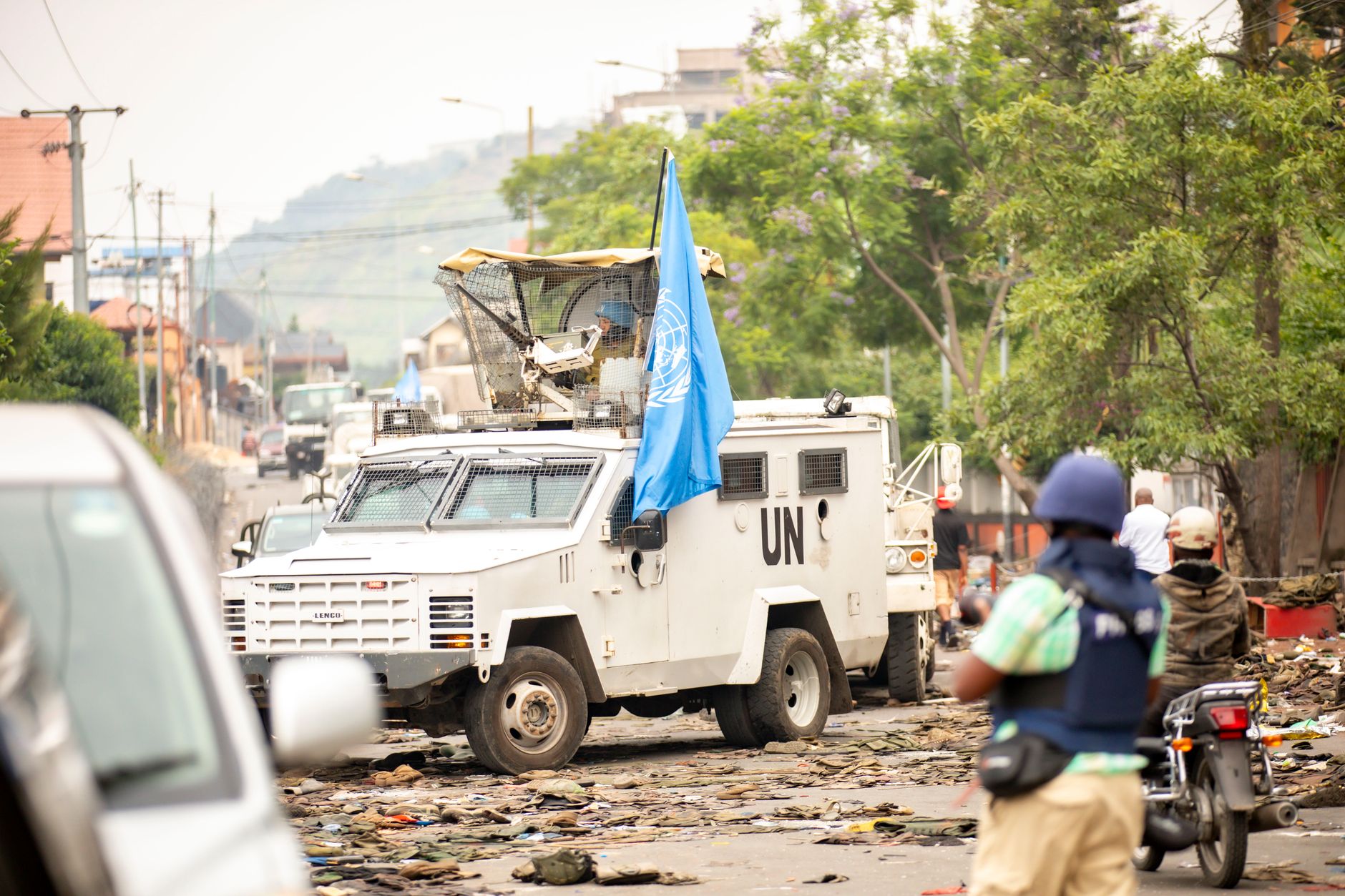
The UN leadership crisis is becoming increasingly evident as the race to succeed Guterres stalls. With no clear frontrunner, the organization faces uncertainty in its future direction.
Current Status of the UN Leadership
The current status of the UN leadership is increasingly precarious as the race to succeed António Guterres faces significant delays. As the world observes a growing list of potential candidates, the process has yet to gain momentum, leading to concerns about a possible UN leadership crisis.
Several factors contribute to the current stalemate:
- Political Disagreements: Member states have differing priorities and preferences, complicating the selection process.
- Crisis Management: Ongoing global issues, such as climate change and geopolitical tensions, have overshadowed discussions about new leadership.
- Time Constraints: With Guterres’s term nearing its end, there is growing urgency to resolve the leadership question.
In light of these challenges, some analysts argue that the prolonged absence of clear direction may undermine the UN’s ability to respond effectively to international crises. The absence of a consensus candidate has led to speculation about interim leadership, but the lack of a definitive plan raises alarms about the organization’s stability. As the deadline approaches, the international community watches closely, hopeful for a resolution to this pressing UN leadership crisis.
Potential Candidates for Guterres’ Successor
The race to succeed António Guterres as the head of the United Nations has encountered significant delays, raising concerns about a potential UN leadership crisis. As discussions continue, a few prominent figures have emerged as potential candidates to take the helm.
- Kristalina Georgieva – Currently serving as the Managing Director of the International Monetary Fund, Georgieva has a strong background in international finance and development.
- Michelle Bachelet – The former President of Chile and previous UN High Commissioner for Human Rights, Bachelet is known for her advocacy on social justice and human rights issues.
- Antonio Guterres – While Guterres is still in office, speculation persists about whether he may seek a second term, despite the ongoing challenges faced during his current leadership.
- Ban Ki-moon – The former UN Secretary-General has been discussed as a potential candidate, given his extensive experience and understanding of the organization’s inner workings.
As the UN leadership crisis unfolds, the international community watches closely to see who will ultimately emerge as the leading contender to guide the organization into its next chapter.
Implications of a Leaderless UN
The ongoing UN leadership crisis raises significant concerns about the future direction and effectiveness of the organization. With the race to succeed António Guterres stalled, the implications of a leaderless UN are becoming increasingly apparent.
Firstly, a lack of strong leadership can lead to a void in decision-making, hindering the UN’s ability to respond effectively to global crises. This delay may exacerbate existing issues, such as climate change, humanitarian emergencies, and geopolitical tensions.
Secondly, the absence of a unifying figure can weaken the UN’s credibility on the world stage. Member states may become less inclined to cooperate, leading to fragmented responses to international challenges.
Additionally, the stalled succession race has the potential to create power struggles among member nations. This internal strife could divert attention away from pressing global issues and stifle collaborative efforts.
Lastly, the leadership vacuum may undermine confidence in the UN as a vital institution for diplomacy and conflict resolution. Stakeholders may look for alternatives, which could diminish the UN’s role in fostering international cooperation.
As the situation evolves, it remains crucial for member states to prioritize the resolution of the current impasse to restore effective governance within the UN.
Historical Context of UN Leadership Changes
The historical context of UN leadership changes reveals a complex landscape shaped by geopolitical dynamics and internal governance challenges. Since its inception, the United Nations has seen a variety of leaders, each bringing unique priorities and styles to the role of Secretary-General. The process of selecting a new leader has often been fraught with political maneuvering among member states, reflecting broader global power struggles.
One notable instance occurred in 1991, when the then-Secretary-General Boutros Boutros-Ghali faced significant opposition from the United States, ultimately leading to his replacement. Similarly, Kofi Annan’s tenure highlighted the delicate balance of power, as he navigated crises ranging from the Rwandan genocide to the Iraq War. Each transition has underscored the importance of consensus among the five permanent members of the Security Council.
Currently, the UN leadership crisis has raised concerns about the potential for a prolonged vacancy at the top, which could destabilize the organization’s operations. As the race to succeed António Guterres stalls, the implications are becoming increasingly evident. A leaderless UN may struggle to address pressing global issues, further complicating the already challenging landscape of international diplomacy.
- Geopolitical dynamics influence leadership transitions.
- Political maneuvering shapes the selection process.
- Historical precedents inform current challenges.
Challenges Facing the Next UN Leader
The next leader of the United Nations will face a myriad of challenges as the organization grapples with significant global issues. The UN leadership crisis has highlighted the urgency for a strong successor to António Guterres, whose tenure has been marked by complex geopolitical tensions and pressing humanitarian crises.
Among the foremost challenges are:
- Geopolitical Divisions: The rise of nationalism and declining multilateralism threaten the UN’s role in fostering international cooperation.
- Climate Change: Addressing the urgent impacts of climate change remains a priority, necessitating robust leadership to galvanize global action.
- Human Rights Violations: The new leader must navigate ongoing human rights abuses in various countries, balancing diplomacy with advocacy.
- Funding Issues: The UN faces chronic budgetary constraints that hinder its ability to respond effectively to crises, calling for innovative funding solutions.
- Public Trust: Restoring faith in the UN’s effectiveness is crucial, as many view the organization as increasingly irrelevant.
As the race to succeed Guterres stalls, these challenges loom large, underscoring the critical need for decisive UN leadership in the coming years.
Global Reactions to the Leadership Crisis
As the UN leadership crisis unfolds, global reactions have varied significantly among member states and international organizations. Many countries have expressed concern over the potential implications of a prolonged vacancy in the Secretary-General position, particularly amid ongoing global crises.
- The United States has emphasized the need for swift action, calling for a transparent and expedited selection process to ensure continuity in leadership.
- European Union officials have voiced similar sentiments, highlighting the importance of strong leadership in addressing pressing global issues such as climate change and conflict resolution.
- China, while supportive of the current Secretary-General, has urged other nations to respect the UN’s internal processes and avoid external interference in the leadership selection.
- Humanitarian organizations have stressed the need for a leader who can effectively advocate for vulnerable populations, warning that a leaderless UN could exacerbate existing humanitarian crises.
The stalled race to succeed Guterres has triggered discussions about the future direction of the UN. As the world watches closely, the urgency for a resolution to the UN leadership crisis remains paramount, with many hoping for a candidate who can unite member states.
Future of UN Governance
The future of UN governance hangs in the balance as the leadership crisis deepens. With the race to succeed António Guterres stalled, the organization faces significant challenges that could impact its mission and effectiveness on the global stage.
One of the main concerns is the potential for a prolonged leadership vacuum. The UN has historically relied on strong and decisive leadership to navigate complex geopolitical issues and foster international cooperation. A delay in appointing Guterres’ successor could hinder the UN’s ability to respond to urgent global crises such as climate change, humanitarian emergencies, and security threats.
In addition to the immediate implications, this UN leadership crisis raises questions about governance reform within the organization. Stakeholders are increasingly calling for a more transparent and inclusive selection process that reflects the diverse perspectives of member states.
As the international community watches closely, it remains to be seen how the UN will adapt to this precarious situation. The need for effective leadership has never been more pressing, and the decisions made in the coming weeks could shape the organization’s future for years to come.
- Importance of timely leadership transitions
- Potential for governance reforms
- Impact on global cooperation
The ongoing UN leadership crisis has raised concerns about the future direction of the organization. Many member states are increasingly vocal about the need for a resolution to the stalled race to succeed Guterres amidst this UN leadership crisis.
Photo by Safi Erneste on Pexels
One thought on “UN leadership crisis: The stalled race to succeed Guterres”