recyclable hydrogel is making waves in the medical field as it begins healing itself within minutes. This innovative material promises to revolutionize wound care and sustainability.
What is Recyclable Hydrogel?
Recyclable hydrogel is an innovative material that has garnered attention for its remarkable properties and potential applications in various fields, particularly in medicine and environmental sustainability. This unique substance is primarily composed of water and a polymer network, which gives it a gel-like consistency while retaining a high degree of flexibility and biocompatibility.
One of the standout features of recyclable hydrogel is its ability to heal itself rapidly after being damaged. This self-healing property is not only beneficial for durability but also enhances its usability in environments where materials are prone to wear and tear. Moreover, the hydrogel can begin the healing process within minutes, making it an ideal candidate for medical applications such as wound dressings and tissue engineering.
The recyclability aspect of this hydrogel further sets it apart from traditional materials. It can be broken down and reprocessed without losing its essential properties, thus promoting sustainability and reducing waste. This quality aligns well with the growing demand for eco-friendly materials in various industries.
In summary, recyclable hydrogel represents a significant advancement in material science, merging quick healing capabilities with environmental responsibility. Its potential uses range from healthcare to packaging, making it a promising option for future innovations.
How Does Self-Healing Work?
Self-healing materials, such as recyclable hydrogel, exhibit remarkable capabilities that allow them to repair damage autonomously. This process is primarily driven by the unique molecular structure of the hydrogel, which contains dynamic covalent bonds that can reform after being broken.
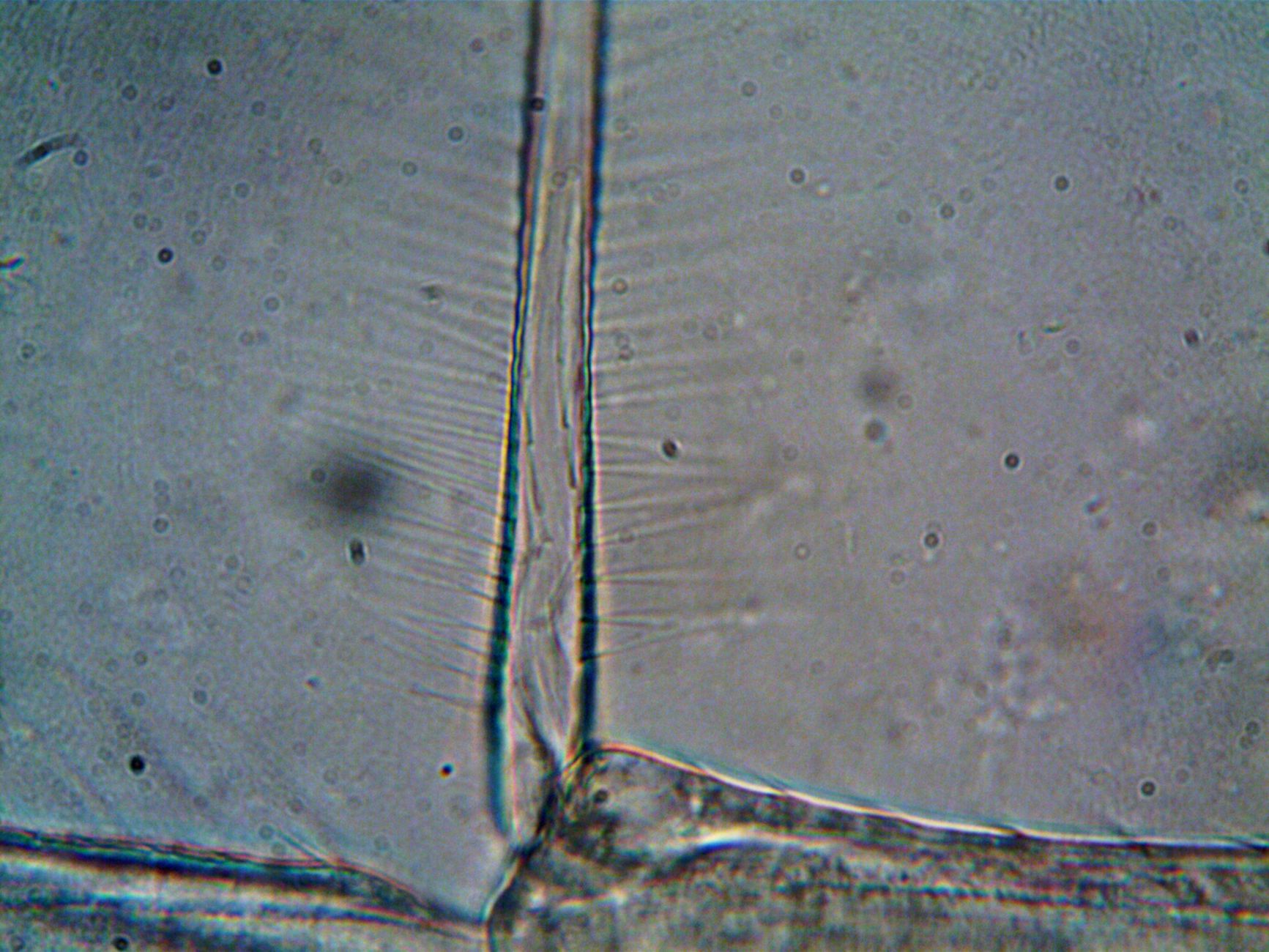
When the hydrogel is cut or punctured, the exposed edges of the material come into contact with one another. The dynamic bonds within the hydrogel react to this physical change, allowing the material to re-establish connections almost instantly. This self-healing mechanism can occur within minutes, making it an efficient solution for various applications.
Several factors influence the effectiveness of self-healing in recyclable hydrogels:
- Temperature: Higher temperatures can accelerate the healing process by increasing molecular movement.
- Moisture: The presence of water is crucial, as it helps facilitate the movement of molecules and the reforming of bonds.
- Material Composition: The specific formulation of the hydrogel can impact its healing capabilities; some may heal more quickly than others.
These self-healing properties make recyclable hydrogels particularly valuable in fields such as medicine, where they can be used in wound care, and in electronics, where they can prolong the lifespan of devices. With ongoing research, the potential applications of these innovative materials continue to expand.
Benefits of Using Hydrogel
The use of recyclable hydrogel brings numerous benefits, particularly in the field of wound healing and tissue repair. This innovative material not only provides a readily available solution for medical applications but also contributes to environmental sustainability.
Some of the key advantages of using recyclable hydrogel include:
- Quick Healing: Recyclable hydrogel is designed to begin the healing process rapidly, often within minutes of application. This property is crucial for effective wound management.
- Enhanced Biocompatibility: Made from natural materials, hydrogel is highly compatible with human tissues, reducing the risk of complications during recovery.
- Moisture Retention: Hydrogel retains moisture effectively, creating an optimal environment for healing and minimizing discomfort for patients.
- Self-Healing Properties: The innovation behind recyclable hydrogel allows it to repair itself after damage, extending its usability and effectiveness in various applications.
- Environmental Impact: Being recyclable, this hydrogel minimizes waste and aligns with sustainable practices, making it a responsible choice for healthcare providers.
As the demand for eco-friendly medical solutions grows, recyclable hydrogel stands out as a promising option, combining functionality with sustainability. Its unique properties not only enhance recovery outcomes but also support a greener future.
Applications in Medicine
The innovative properties of recyclable hydrogel have led to its application in various medical fields, showcasing significant potential for improving patient care. One of the primary uses is in wound healing, where its ability to retain moisture and provide a protective barrier allows for faster recovery. The hydrogel can conform to the shape of the wound, ensuring optimal contact and promoting a conducive environment for healing.
Additionally, recyclable hydrogel has been utilized in the development of drug delivery systems. Its biocompatibility ensures that medications can be released at controlled rates, enhancing the efficacy of treatments while minimizing side effects. This technology is particularly beneficial in chronic disease management, where consistent medication delivery is crucial.
Another exciting application is in tissue engineering. Researchers are exploring how recyclable hydrogel can serve as scaffolding for cell growth, aiding in the regeneration of tissues. This could revolutionize treatment options for patients with severe injuries or degenerative diseases.
Moreover, its self-healing capabilities offer significant advantages in surgical applications. Surgeries that incorporate recyclable hydrogel can benefit from reduced recovery times and improved healing outcomes, as the material adapts and repairs itself post-operation.
In summary, the diverse applications of recyclable hydrogel in medicine underline its transformative potential, paving the way for enhanced healthcare solutions.
Environmental Impact of Hydrogel
The environmental impact of traditional hydrogels has raised concerns in recent years, prompting researchers to explore more sustainable alternatives. Recyclable hydrogel emerges as a promising solution, addressing both ecological and functional needs.
Conventional hydrogels, often made from non-biodegradable materials, contribute significantly to plastic waste, making their disposal an environmental challenge. In contrast, recyclable hydrogel is designed to be both effective in medical applications and environmentally friendly. By utilizing materials that can be reprocessed, this innovative hydrogel minimizes landfill contributions and promotes a circular economy.
One of the key benefits of recyclable hydrogel is its ability to maintain performance while reducing environmental harm. This hydrogel can be broken down and repurposed after its initial use, ensuring that valuable resources are not wasted. The self-healing properties of this material not only extend its lifespan but also reduce the frequency of replacements, further decreasing environmental impact.
The development of recyclable hydrogel aligns with global sustainability goals, making it an appealing choice for industries seeking to lessen their footprint. As awareness of environmental issues grows, the demand for sustainable materials like recyclable hydrogel is likely to increase.
In conclusion, the adoption of recyclable hydrogel represents a significant step towards greener practices in medicine and other fields, marrying efficiency with ecological responsibility.
Future of Self-Healing Materials
The future of self-healing materials looks promising, particularly with the development of recyclable hydrogel. Researchers are exploring innovative approaches to enhance the capabilities of these materials, making them indispensable in various fields. One of the primary goals is to improve the speed and efficiency of the self-healing process, ensuring that damaged areas can recover rapidly and maintain functionality.
As technology advances, we can expect to see a rise in the integration of recyclable hydrogel into everyday products. This transition not only focuses on physical repair but also incorporates smart technologies that allow materials to respond to environmental changes or stresses. Such advancements may lead to:
- Increased Durability: Enhancing the lifespan and resilience of materials through improved self-repair mechanisms.
- Wider Applications: Expanding the use of hydrogel in industries beyond medicine, including automotive and electronics.
- Sustainability: Promoting environmentally friendly practices by ensuring that materials can be recycled and reused effectively.
Additionally, collaborations between scientists and engineers will be crucial in designing self-healing materials that not only perform well but also align with sustainability goals. The innovative nature of recyclable hydrogel paves the way for a future where materials can heal themselves, reducing waste and contributing to a circular economy.
Photo by Polina Tankilevitch on Pexels
Read the original
Related stories
Space Force uniforms: Worst Makeover Ideas Revealed · Samsung Galaxy Z Fold 8 discount: Massive $250 off now! · Real Madrid Champions League squad: Best Proven Players Announced
One thought on “Recyclable Hydrogel: Quick Healing with Proven Benefits”