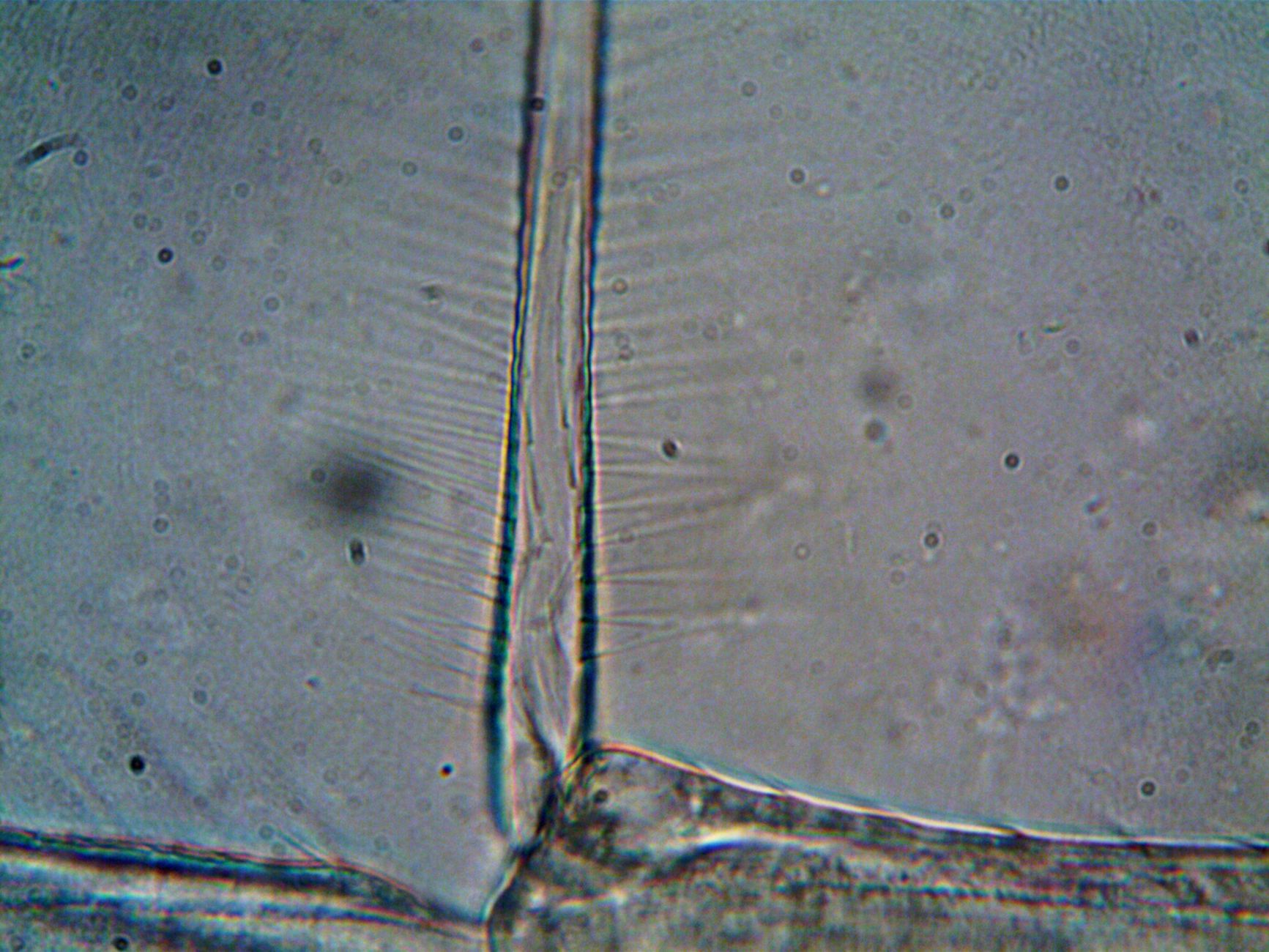
Trichophyton species analysis is crucial for understanding fungal infections. Recent studies highlight the effectiveness of Arbitrarily Primed PCR in characterizing these species.
Understanding Trichophyton Species
The analysis of Trichophyton species is essential for understanding the various fungal infections they cause. These species are known to contribute significantly to dermatophyte infections, which can affect skin, hair, and nails. A recent study highlighted the importance of molecular characterization in differentiating between these species using Arbitrarily Primed Polymerase Chain Reaction (AP-PCR).
This method not only enhances the accuracy of species identification but also aids in tracking infection sources and understanding transmission dynamics. The genotypic differentiation approach provides detailed insights into the genetic diversity and epidemiological patterns of Trichophyton species.
Key factors in the analysis include:
- High sensitivity and specificity in detecting species.
- Ability to distinguish closely related strains.
- Potential for identifying emerging resistant strains.
Overall, the Trichophyton species analysis through molecular techniques may prove to be a valuable tool in managing fungal infections effectively.
What is Arbitrarily Primed PCR?
Arbitrarily Primed PCR (AP-PCR) is a molecular technique used to analyze genetic material. This method involves the amplification of DNA fragments using short, random primers, allowing for the generation of distinct banding patterns. These patterns can be used to differentiate between various organisms, including Trichophyton species.
AP-PCR has gained attention in the field of mycology, particularly for its ability to provide insights into the genetic diversity and relationships among fungal species. The technique is known for its simplicity and efficiency, making it a valuable tool in the molecular characterization of Trichophyton species.
By comparing the banding patterns obtained through AP-PCR, researchers can identify specific strains and understand their genetic makeup. This analysis is crucial for developing effective treatment strategies and understanding the epidemiology of fungal infections.
Importance of Molecular Characterization
The importance of molecular characterization in the analysis of Trichophyton species cannot be overstated. As fungal pathogens, Trichophyton species are responsible for various dermatophyte infections, making their accurate identification crucial for effective treatment. Traditional methods of identification often fall short in resolving closely related species, highlighting the need for more advanced techniques.
Molecular characterization, particularly through methods such as Arbitrarily Primed PCR (AP-PCR), offers a robust solution. This technique allows for the differentiation of species at a genetic level, providing insights that traditional methods may overlook. By examining the genetic makeup of these fungi, researchers can better understand their pathogenicity, resistance patterns, and epidemiology.
Furthermore, the analysis of Trichophyton species through molecular means can facilitate public health interventions and improve clinical outcomes. As the prevalence of dermatophyte infections continues to rise, investing in molecular techniques is vital for enhancing diagnostic accuracy and treatment efficacy.
How AP-PCR Works
Arbitrarily Primed Polymerase Chain Reaction (AP-PCR) is a powerful technique used for the molecular characterization of Trichophyton species. This method relies on short, random primers that amplify specific regions of DNA, enabling the differentiation of genetic material among various species.
The process begins with the extraction of DNA from the Trichophyton samples, followed by the addition of arbitrary primers. During the thermal cycling process, the DNA is denatured, and the primers anneal to complementary sequences, leading to the amplification of target regions. The resulting fragments are then analyzed through gel electrophoresis.
AP-PCR is particularly valuable because it provides a high-resolution method for genotyping, which is essential for understanding the epidemiology and pathogenicity of Trichophyton species. This molecular characterization approach has implications for diagnosis and treatment, making it a preferred method in mycological research.
Applications in Medical Research
The analysis of Trichophyton species through Arbitrarily Primed PCR (AP-PCR) has significant applications in medical research, particularly in understanding fungal infections. This method allows for the precise genotypic differentiation of fungal strains, which is crucial for identifying specific pathogens responsible for conditions such as athlete’s foot and ringworm.
Furthermore, AP-PCR facilitates:
- Tracking epidemiological trends in fungal infections, aiding in outbreak management.
- Assessing antifungal resistance among different Trichophyton species, which is essential for effective treatment strategies.
- Studying environmental adaptations of Trichophyton species, contributing to our understanding of their survival mechanisms.
By employing this molecular characterization technique, researchers can enhance diagnostic accuracy and improve patient outcomes in the face of rising fungal infections.
Future Directions in Mycology
As the field of mycology continues to evolve, future directions in the analysis of Trichophyton species are becoming increasingly important. Researchers are exploring novel molecular techniques and bioinformatics tools to enhance the understanding of these fungi.
One promising area is the integration of next-generation sequencing (NGS) with traditional AP-PCR, which could provide a more comprehensive view of genetic variations among different Trichophyton strains. This approach may facilitate better identification and characterization of pathogenic species.
Moreover, the development of machine learning algorithms to analyze genetic data could lead to improved predictive models for disease outbreaks associated with Trichophyton species.
Additionally, expanding collaboration between mycologists and clinicians could drive the application of these advanced methods in medical settings, ultimately enhancing diagnostic accuracy and treatment strategies for fungal infections.
Overall, the future of mycology holds exciting possibilities for Trichophyton species analysis that may significantly impact public health.
Recent studies have shown that Trichophyton species analysis can provide critical insights into fungal infections. As researchers continue to explore various diagnostic methods, the effectiveness of Trichophyton species analysis remains a topic of considerable interest.
Photo by turek on Pexels
Sources
Recyclable Hydrogel: Quick Healing with Proven Benefits · Space Force uniforms: Worst Makeover Ideas Revealed · Samsung Galaxy Z Fold 8 discount: Massive $250 off now!

One thought on “Trichophyton species analysis: Is It the Best Method?”