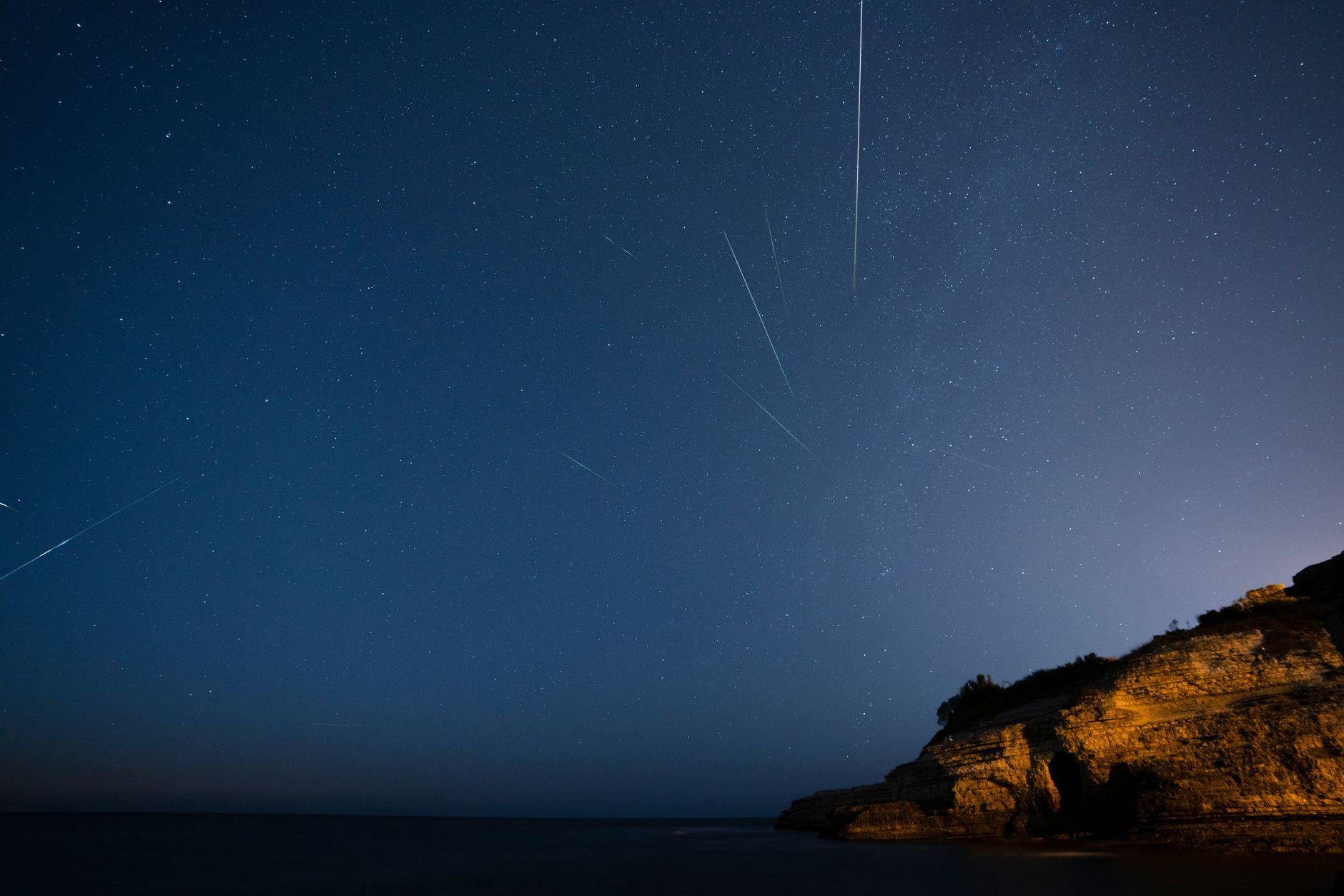
The 2026 Leonid Meteors promise to be a breathtaking spectacle. As stargazers prepare for this astronomical event, there are key tips to enhance your viewing experience.
What are the Leonid Meteors?
The Leonid Meteors are a renowned meteor shower that occurs annually in November, associated with the comet Tempel-Tuttle. Known for their spectacular displays, these meteors can produce stunning rates of up to 15 to 20 meteors per hour during peak activity. The name “Leonid” is derived from the constellation Leo, where the meteors appear to radiate from.
The 2026 Leonid Meteors are anticipated to be particularly impressive, as they coincide with a favorable lunar phase, allowing for darker skies and clearer visibility. These meteors are characterized by their bright, fast-moving streaks across the night sky, often leaving behind glowing trails. Observers can expect to witness a variety of colors, including blue, green, and orange, as the meteors interact with the Earth’s atmosphere.
For those looking to catch a glimpse, optimal viewing times will be in the early morning hours, away from city lights, making for an unforgettable experience.
When to Watch the 2026 Leonid Meteors
The 2026 Leonid Meteors are set to create a spectacular display in the night sky, and knowing when to watch can significantly enhance your experience. Traditionally, the Leonid meteor shower peaks around mid-November, and in 2026, the optimal viewing times will occur on the nights of November 17 and 18.
To catch the best views of the meteor shower, consider the following tips:
- Time: Aim to watch after midnight when the sky is darkest and the meteors are most active.
- Location: Find a dark area away from city lights to improve visibility.
- Weather: Check the forecast beforehand to ensure clear skies.
- Comfort: Bring a reclining chair or blanket to relax while you gaze at the sky.
With these tips, you’re sure to make the most of the 2026 Leonid Meteors and enjoy a night filled with shooting stars.
Best Locations for Meteor Viewing
When preparing to watch the 2026 Leonid Meteors, selecting the right location is crucial for an optimal viewing experience. Here are some of the best spots to consider:
- National Parks: Vast open spaces with minimal light pollution make national parks ideal for meteor watching. Parks such as Yosemite and Joshua Tree offer breathtaking views of the night sky.
- Rural Areas: Escaping to the countryside, far from city lights, can enhance your chances of witnessing the stunning Leonid display. Look for areas with clear horizons.
- High Elevations: Mountains and elevated terrains provide a wider view of the sky. Places like Rocky Mountain National Park can be particularly rewarding.
- Open Fields: Local farms and fields can serve as surprisingly effective viewing spots, especially on clear nights.
Preparation and location are key to enjoying the 2026 Leonid Meteors to their fullest.
Tips for Catching the 2026 Leonid Meteors
If you’re eager to witness the spectacular 2026 Leonid Meteors, here are some essential tips to enhance your viewing experience.
- Find a Dark Location: Choose a spot away from city lights and pollution. Parks and rural areas are ideal for clear skies.
- Check the Weather: Ensure the weather forecast predicts clear skies. Cloudy nights can obscure the meteors.
- Be Patient: Meteors can appear sporadically. Allow yourself plenty of time to relax and enjoy the night sky.
- Bring Comfortable Gear: A reclining chair or blanket can make your experience more enjoyable. Dress warmly, as temperatures can drop at night.
- Look Up: The meteors will radiate from the constellation Leo, but they can appear anywhere in the sky, so keep your eyes wide open.
By following these tips, you can maximize your chances of catching stunning views of the 2026 Leonid Meteors.
Understanding Meteor Showers
Meteor showers are fascinating astronomical events that occur when Earth passes through the debris left by comets. During such events, meteoroids enter the Earth’s atmosphere at high speeds, creating brilliant streaks of light in the night sky. The 2026 Leonid Meteors, known for their fast and bright displays, are no exception. These meteors originate from the Tempel-Tuttle comet, which has a periodic orbit around the Sun.
Typically, meteor showers can be categorized based on their frequency, intensity, and the radiant point from which they appear to originate. The Leonids are particularly notable for their historic outbursts, which can produce thousands of meteors per hour. While 2026 may not be a peak year, skywatchers can still expect to witness a captivating show.
To enhance the viewing experience, it is essential to understand the patterns of meteor activity and choose optimal times for observation, such as late at night or early in the morning.
The Science Behind the Leonid Meteors
The 2026 Leonid Meteors are a spectacular natural phenomenon caused by the debris left behind by Comet Tempel-Tuttle. As Earth orbits the Sun, it passes through this debris field, leading to intense meteor showers. These meteors, which can travel at speeds of up to 160,000 miles per hour, create bright streaks of light in the night sky when they burn up upon entering the Earth’s atmosphere.
The Leonids are particularly renowned for their periodic storms, where hundreds of meteors can be seen in just an hour. This is due to the comet’s 33-year orbit, which means that every few decades, the density of debris increases significantly. Observers often report stunning fireballs, which are brighter than typical meteors and can leave lasting trails. Understanding the science behind the Leonid Meteors enhances the viewing experience, allowing enthusiasts to appreciate not just the beauty, but also the cosmic events that create this astronomical display.
Photo by FURKAN GÜNEŞ on Pexels
References
You might also like
Youngsters in India cricket: What are the best prospects? · California Storm Waves: What Are the Worst Impacts? · Agniveers Passing Out Parade: A Complete Celebration of Service
One thought on “2026 Leonid Meteors: Easy Tips for Catching Stunning Views”