
measles elimination status has been lost in the U.S., prompting experts to discuss the steps necessary to regain it. Understanding these steps is vital for public health.
What led to the loss of measles elimination status?
The recent loss of measles elimination status in the United States can be attributed to several interconnected factors. One major contributor has been the decline in vaccination rates across various communities. This trend has been fueled by the spread of misinformation regarding vaccine safety and efficacy, leading to hesitancy among parents.
Another significant factor is the increase in international travel, which has facilitated the importation of measles cases from regions where the virus is more prevalent. As travelers bring the virus back into the country, unvaccinated individuals become vulnerable, creating outbreaks that can swiftly spread.
Furthermore, socioeconomic disparities have played a role, where access to healthcare and information is limited. Certain populations are more susceptible to outbreaks due to lower vaccination coverage.
To regain measles elimination status, public health officials emphasize the need for comprehensive vaccination campaigns, education on the importance of immunization, and addressing barriers to access in underserved communities.
Current measles outbreak statistics
The current measles outbreak statistics reveal a concerning trend that highlights the challenges in achieving measles elimination status. In the past year, the United States has reported an alarming increase in measles cases, with over 300 confirmed cases across multiple states. This marks a significant rise compared to previous years, where numbers were often in the single digits.
Several factors contribute to this resurgence, including:
- Vaccine hesitancy: A growing number of parents are choosing not to vaccinate their children, leading to lower herd immunity.
- International travel: Increased global travel allows the virus to spread more easily from affected areas.
- Outbreak hotspots: Certain communities with low vaccination rates are becoming hotspots for measles outbreaks, further complicating control measures.
Health officials emphasize that regaining measles elimination status will require a concerted effort to boost vaccination rates and educate the public about the importance of immunization. Without these efforts, measles could continue to pose a serious public health risk.
The importance of vaccination
The fight against measles is heavily reliant on vaccination, which plays a crucial role in maintaining herd immunity and preventing outbreaks. Vaccination not only protects individuals but also safeguards the broader community, particularly those who cannot be vaccinated due to medical reasons.
To regain the measles elimination status, it is essential for vaccination rates to rise significantly. Health experts recommend that at least 95% of the population receives the measles, mumps, and rubella (MMR) vaccine to ensure sufficient immunity. This high coverage rate is vital to interrupt the transmission of the virus and protect vulnerable populations.
Moreover, ongoing public education about the safety and effectiveness of vaccines is necessary to counteract misinformation. Communities must work together to create accessible vaccination programs and encourage parents to vaccinate their children on schedule. By prioritizing vaccination and fostering community trust in health systems, we can move closer to restoring measles elimination status and protecting future generations from this preventable disease.
Steps to regain measles elimination status
Regaining measles elimination status requires a multifaceted approach that addresses both vaccination rates and public awareness. Health experts emphasize the importance of the following steps:
- Increase vaccination coverage: Ensuring that at least 95% of the population is vaccinated is crucial. This includes not only children but also adults who may need booster shots.
- Enhance public awareness: Educating communities about the benefits of vaccination and the risks associated with measles is vital. Campaigns should target misinformation and promote accurate health information.
- Strengthen healthcare infrastructure: Access to vaccinations must be improved, particularly in underserved areas. This may involve mobile clinics and community outreach programs.
- Monitor and respond to outbreaks: Quick responses to any reported cases of measles can help prevent further spread. Surveillance systems need to be robust to identify potential outbreaks early.
By implementing these strategies, it is possible to work towards regaining measles elimination status and protecting public health.
Expert opinions on public health measures
Experts emphasize the critical role of comprehensive public health measures in regaining the measles elimination status. According to Dr. Lisa Hartman, an epidemiologist, “The cornerstone of our efforts must be an increase in vaccination rates among children and communities that have seen declines.” She notes that targeted outreach programs are essential to educate parents about the safety and efficacy of the measles vaccine.
Additionally, Dr. Raj Patel, a public health official, highlights the need for robust surveillance systems. “Monitoring outbreaks and understanding transmission patterns can help us respond quickly and effectively,” he states. This proactive approach is vital not only for controlling measles but also for preventing other vaccine-preventable diseases.
Furthermore, both experts agree on the importance of community engagement. “Building trust and addressing vaccine hesitancy are crucial steps,” Dr. Hartman adds. By fostering collaboration between healthcare providers and communities, public health officials can create an environment where vaccination is viewed as a collective responsibility.
Ultimately, a multifaceted strategy will be necessary to restore the measles elimination status and ensure public health safety.
Future of measles in the U.S.
The future of measles in the U.S. hinges on collective efforts to restore the measles elimination status that was lost. With recent outbreaks highlighting vulnerabilities in the vaccination system, public health officials emphasize the critical need for a comprehensive approach to immunization.
Key strategies to ensure a healthier future include:
- Increasing vaccination rates: Expanding access to vaccines and addressing misinformation about their safety are essential.
- Community engagement: Building trust within communities to encourage vaccination uptake through education and outreach programs.
- Monitoring and response: Establishing robust surveillance systems to quickly identify and respond to outbreaks can prevent the spread of measles.
- Policy support: Advocating for policies that mandate vaccinations in schools and public health settings ensures higher coverage.
By focusing on these strategies, the U.S. can work toward regaining its measles elimination status, protecting future generations from the threat of this preventable disease.
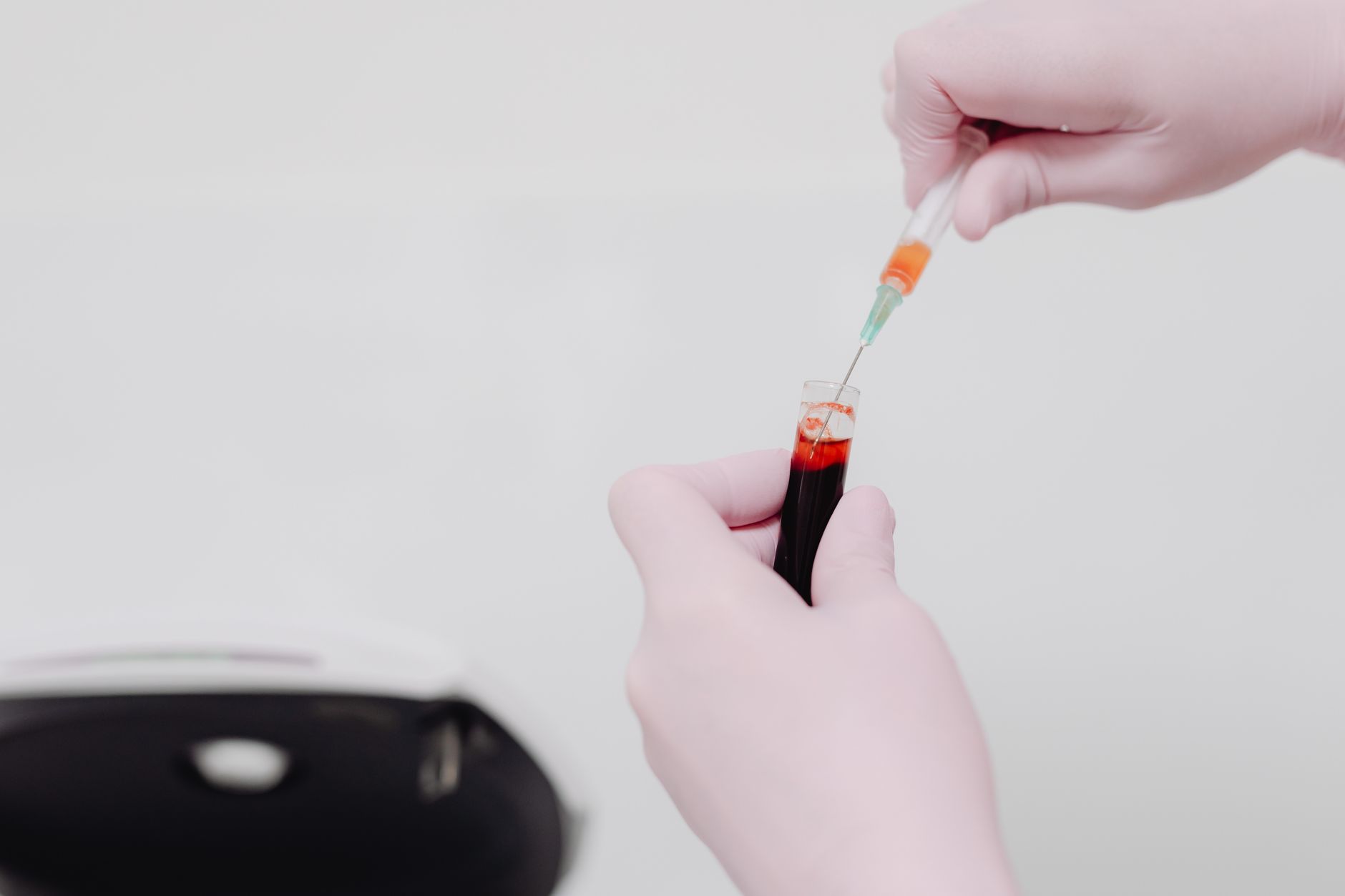
Photo by Ksenia Chernaya on Pexels
One thought on “Measles elimination status: What it takes to regain it”