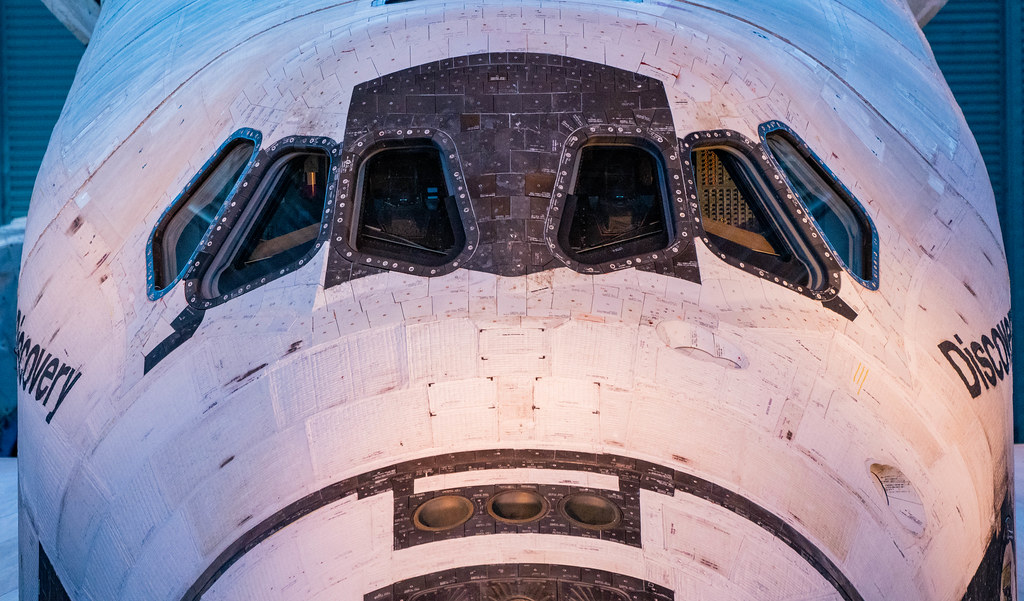
NASA space shuttle Discovery was launched on November 22, 1989, for the classified STS-33 mission, showcasing the collaboration between NASA and the US military.
The Launch of NASA Space Shuttle Discovery
On November 22, 1989, NASA marked a significant milestone with the launch of the NASA space shuttle Discovery on the classified STS-33 mission. This mission was pivotal as it served the United States military and showcased the shuttle’s versatility and capabilities in carrying out sensitive operations.
The launch took place from the Kennedy Space Center in Florida, where thousands of spectators gathered to witness the event. The Discovery, NASA’s third operational space shuttle, was known for its reliability and performance, making it an ideal choice for this important mission.
The STS-33 mission lasted just over five days, during which the crew successfully performed various tasks, including deploying a classified payload. This mission underscored NASA’s commitment to not only advancing space exploration but also supporting national security objectives.
After completing its objectives, the crew returned safely to Earth, landing at Edwards Air Force Base in California. The successful mission further solidified the reputation of the NASA space shuttle Discovery as a workhorse of the shuttle program, paving the way for future missions and continuing its legacy in space exploration.
- Launch Date: November 22, 1989
- Mission Duration: Over five days
- Landing Site: Edwards Air Force Base, California
- Significance: Support for US military operations
Understanding the STS-33 Mission
The STS-33 mission, which took place in November 1989, marked a significant chapter for the NASA space shuttle Discovery. This mission was primarily classified, serving the needs of the United States military, which added an air of mystery to its objectives and operations.
Launched on November 22, the shuttle’s crew consisted of Commander Fred Gregory, Pilot John Lounge, and Mission Specialists Charles D. Gemar, Charles D. Walker, and Guion S. Bluford Jr.. The team was tasked with deploying a payload that remains undisclosed, a common practice for military missions during that era.
Throughout the mission, NASA space shuttle Discovery orbited the Earth, conducting critical operations that showcased the shuttle’s capabilities. The mission lasted nearly five days and was considered a success, despite the classified nature of its objectives.
Key highlights of the STS-33 mission included:
- Successful deployment of the payload
- Completion of multiple scientific experiments
- Positive evaluations of shuttle systems
The STS-33 mission solidified the role of the NASA space shuttle Discovery as a versatile platform for both scientific exploration and military support.
Key Objectives of the Classified Mission
The classified mission of the NASA space shuttle Discovery, known as STS-33, had several key objectives that underscored its significance for national security and advancements in space technology.
- Satellite Deployment: One of the primary goals was to deploy a military communications satellite, which would enhance the United States’ strategic capabilities in space.
- Data Collection: The mission aimed to gather intelligence and collect data that would be crucial for future military and reconnaissance efforts.
- Technology Demonstration: STS-33 served as a platform to test new technologies that could be applied to future missions, ensuring that the United States remained at the forefront of space exploration.
- Collaboration: The mission involved collaboration with various military and aerospace organizations, showcasing the importance of inter-agency cooperation in achieving complex objectives.
The successful execution of these objectives demonstrated the capabilities of the NASA space shuttle Discovery and solidified the shuttle program’s role in supporting national defense initiatives. The mission not only contributed to military operations but also laid the groundwork for future advancements in space exploration and technology development.
Impact of Military Collaboration in Space
The collaboration between NASA and the military has played a crucial role in advancing space exploration, particularly during missions like the STS-33, which was executed by the NASA space shuttle Discovery. This partnership has historically enhanced the capabilities of both entities, allowing for the development of advanced technologies and strategic advantages in space.
One significant impact of military collaboration is the sharing of resources and expertise. The military provides essential data and support that can enhance NASA’s missions, while NASA’s research and technological advancements contribute to national security objectives. This synergy has led to:
- Enhanced Satellite Technology: Innovations developed through NASA’s programs have been adapted for military applications, improving communication and reconnaissance capabilities.
- Advanced Launch Systems: Collaborative efforts have streamlined the design and launch processes, making space missions more efficient and reliable.
- Increased Funding Opportunities: Military support for missions like those of the NASA space shuttle Discovery has often translated into significant funding, enabling further exploration and research.
Overall, military collaboration in space has not only strengthened national security but has also propelled scientific discovery, making missions like STS-33 a testament to the successful integration of aerospace efforts. This partnership exemplifies how joint endeavors can lead to groundbreaking achievements in space exploration.
Historical Significance of November 22, 1989
The historical significance of November 22, 1989, marks a pivotal moment in the legacy of the NASA space shuttle Discovery. On this day, the shuttle embarked on its classified STS-33 mission, which served the interests of the United States military. This launch not only demonstrated the capabilities of the shuttle program but also highlighted the importance of space exploration for national security.
The STS-33 mission was unique as it involved the deployment of a payload that remained cloaked in secrecy for many years. This classified aspect underscored the dual-use potential of space technology, illustrating how NASA’s innovations could be adapted for military purposes. The success of the mission bolstered confidence in the shuttle program and reaffirmed the value of collaboration between civilian space agencies and the military.
Furthermore, the mission showcased the versatility and reliability of the NASA space shuttle Discovery. Over its operational life, Discovery completed a total of 39 missions, a testament to its engineering excellence and operational significance. The launch on November 22, 1989, set the stage for future missions that would push the boundaries of human exploration and scientific discovery, cementing Discovery’s status as a cornerstone of space history.
Technological Innovations from the Shuttle Program
The NASA space shuttle Discovery has played a pivotal role in advancing technological innovations that have shaped modern space exploration. Throughout its missions, particularly during the STS-33 mission, the shuttle program has introduced several key technologies that continue to influence aerospace engineering.
Among the most significant innovations are:
- Reusable Launch System: The shuttle was designed to be reused multiple times, drastically reducing the cost of access to space and allowing for more frequent missions.
- Advanced Materials: The shuttle utilized cutting-edge materials, such as reinforced carbon-carbon and thermal protection systems, which have since been adapted for various applications on Earth.
- Modular Payloads: The design of the shuttle’s payload bay allowed for the easy transport of satellites and scientific instruments, enabling diverse scientific research and military operations.
- In-orbit Refueling and Maintenance: The ability to perform repairs and upgrades in space was a groundbreaking capability, paving the way for future missions to the International Space Station.
These innovations not only highlight the capabilities of the NASA space shuttle Discovery but also emphasize its lasting impact on the future of space travel and exploration. As we reflect on the milestones achieved, the legacy of the shuttle program continues to inspire new generations of scientists and engineers.
Future of Space Shuttle Missions
The future of space shuttle missions remains a topic of significant interest among aerospace experts and enthusiasts alike. While the NASA space shuttle Discovery has already made its mark in history, the evolution of space travel continues to inspire new innovations and possibilities.
As space agencies around the world shift their focus towards more advanced technologies and reusable spacecraft, the legacy of the shuttle program, particularly through missions like those of the Discovery, provides valuable lessons. The shuttle’s ability to transport astronauts and payloads to low Earth orbit has set a foundation for upcoming missions aimed at exploring deeper into space.
Some anticipated developments in the realm of space missions include:
- Commercial Partnerships: The collaboration between private companies and government agencies is expected to enhance mission capabilities.
- Artemis Program: NASA’s initiative to return humans to the Moon and eventually send crewed missions to Mars builds on the successes of the shuttle program.
- International Cooperation: Increased collaboration with global space agencies could lead to shared resources and technology advancements.
As we look ahead, the legacy of the NASA space shuttle Discovery will undoubtedly influence future missions, ensuring that the spirit of exploration continues to thrive in the cosmos.
By Anthony Quintano via Openverse


One thought on “NASA space shuttle Discovery: A Proven Milestone in Space”